Mix. Drink. Enjoy.
Discover amazing cocktail recipes and elevate your mixology game
Mix. Drink. Enjoy.
Discover amazing cocktail recipes and elevate your mixology game
Posted: July 14, 2026
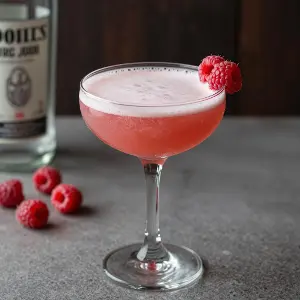
The Clover Club is a pre-Prohibition gin sour built from gin, fresh lemon juice, raspberry syrup, and egg white, shaken into a pale pink, frothy cocktail that delivers far more complexity than its pretty appearance suggests. It belongs to the same egg-white gin sour tradition as the site's Bee's Knees and Gin Fizz, though it's arguably the most elegant of the bunch, having essentially set the template for how a modern sour should look and taste.
The cocktail takes its name from the Clover Club, a private social organization founded on January 29, 1882, by a group of prominent Philadelphia journalists who gathered weekly at the city's Hotel Bellevue, later the Bellevue-Stratford. Over the following decades, membership grew to include lawyers, bankers, and other prominent businessmen, and the club's signature drink — gin, fresh lemon juice, raspberry syrup, and dry vermouth in its earliest incarnation, before egg white became standard — became a fixture of the club's Thursday gatherings. One of the earliest known printed recipes appeared in the New York Press in 1901, and the drink's reputation soon spread well beyond Philadelphia to prestigious hotel bars like the Waldorf-Astoria and the Plaza in New York, reportedly counting the poet W.B. Yeats among its fans, a detail noted in Wikipedia's entry on the Clover Club cocktail. By the mid-20th century, cocktail culture had shifted decisively toward simpler, more spirit-forward drinks, and the Clover Club faded from menus, its reputation further diminished as bars increasingly replaced fresh raspberry syrup with cheap artificial substitutes that dulled the drink's original character. Its revival arrived in 2008, when bartender Julie Reiner — already known for Manhattan's Pegu Club and Flatiron Lounge — opened a Brooklyn bar named directly after the classic cocktail, reintroducing the drink to a new generation of craft bartenders and cementing its status as a genuine modern classic rather than a forgotten curiosity.
Gin provides a dry, botanical foundation, its juniper notes threading through the drink without overwhelming the fruit and citrus around it. Fresh lemon juice adds bright, clean acidity, while raspberry syrup contributes real fruit sweetness and a distinct tartness that's noticeably more complex than the artificial grenadine substitutes that damaged the drink's reputation mid-century. Egg white, dry-shaken before ice is added, creates a thick, silky foam that gives the drink its signature pale pink color and luxurious texture. The overall balance is sweet, sour, and fruity all at once, with gin's dry botanical character keeping the whole thing from tipping into dessert territory — sophisticated and refreshing rather than cloying.
Combine 2 oz gin, 0.75 oz fresh lemon juice, 0.5 oz raspberry syrup, and 1 egg white in a shaker without ice, and shake vigorously for 15-20 seconds to properly emulsify the egg white. Add ice and shake again until well chilled, then strain into a chilled coupe glass. Garnish with a few fresh raspberries on a pick or dropped directly into the foam. For the freshest possible raspberry flavor, muddle a handful of fresh raspberries with a bit of sugar or simple syrup instead of using commercial raspberry syrup, which more closely echoes the drink's original pre-Prohibition character, a technique recommended by Cocktail Society's Clover Club recipe.
The Clover Club's basic structure has invited plenty of small substitutions over the decades. Some recipes swap lemon juice for lime, while others replace raspberry syrup with strawberry, blackberry, or homemade grenadine for a different fruit character. A version sometimes called the Clover Leaf adds a few dashes of dry vermouth back into the mix, closer to the drink's very earliest recorded form before egg white became the standard binding ingredient — a technique also central to the site's herbal Gin Basil Smash. For drinkers interested in the wider world of egg-white gin sours, the site's guide to the best gin cocktails to make at home covers several more, including the Clover Club's close relative, the Bee's Knees.
A chilled coupe glass is the traditional serve, showing off the drink's pale pink color and frothy top. Fresh raspberries are the classic garnish. It's an elegant, sophisticated cocktail well suited to a dressed-up evening or a serious cocktail bar, occupying similar refined territory to the site's Aviation and Last Word among gin's more contemplative offerings.
Few pre-Prohibition drinks have earned as thorough a modern rehabilitation as the Clover Club, which spent decades dismissed as an outdated, overly pink relic before craft bartenders rediscovered how well-constructed the original recipe actually was. Julie Reiner's decision to name her influential Brooklyn bar after the drink helped cement its comeback, and the cocktail now stands as a benchmark for how a sour should be built — balanced, textured, and genuinely complex rather than simply sweet. More than 140 years after the original Philadelphia social club first served it to its members, the Clover Club remains proof that a truly well-designed cocktail rarely stays forgotten forever, joined in that revival story by fellow rediscovered classics like the site's Paper Plane.