Mix. Drink. Enjoy.
Discover amazing cocktail recipes and elevate your mixology game
Mix. Drink. Enjoy.
Discover amazing cocktail recipes and elevate your mixology game
Posted: October 19, 2025
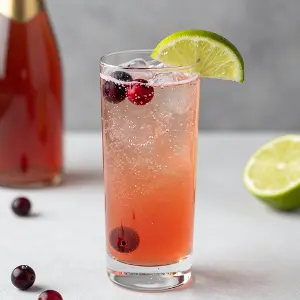
The Sparkling Wine Spritzer takes crisp sparkling wine and lightens it further with a splash of cranberry juice, extra club soda for fizz, and a squeeze of fresh lime. It's a low-effort, endlessly elegant drink built for easy sipping rather than a serious wine occasion, sitting alongside other bubbly brunch staples on the site like the Mimosa and the Bellini, though its cranberry-and-soda profile sets it apart from either.
The wine spritzer's origins trace back to 19th-century Austro-Hungary, where the practice of lengthening local wine with soda water made it lighter, more refreshing, and easier to drink in quantity — closer in spirit to how beer was consumed than to a formal glass of wine. Some cocktail historians point specifically to Hungary in the mid-1800s, where mixing wine with soda water under the name "spritzer" first took hold before spreading through neighboring Austria and Germany, both of which still claim the drink as a regional staple today, a history explored in more detail by VinePair's history of the wine spritzer. The format crossed into mainstream American drinking culture in a big way during the 1970s and 1980s, when white wine spritzers became a popular low-alcohol bar order, riding the same wave that produced the commercial "wine cooler" boom — pre-mixed bottles like Bartles & Jaymes that, at their 1987 peak, generated over a billion dollars in annual sales. The Sparkling Wine Spritzer served today descends from that same basic idea, just built around actual sparkling wine rather than a still white and updated with cranberry juice for color and a touch of tartness.
Sparkling wine sets the base with crisp acidity and fine, persistent bubbles, while cranberry juice adds a tart, slightly sweet edge and a soft pink-red color to the glass. Club soda dilutes the mixture further and adds an extra layer of fizz on top of the wine's natural carbonation, keeping the drink light rather than heavy or overly boozy. A squeeze of fresh lime brightens the whole combination with a final note of citrus. The overall effect is delicate and refreshing — lower in alcohol and lighter in body than a glass of sparkling wine on its own, making it an easy, sessionable choice for long afternoons or extended celebrations.
Fill a wine glass with ice, then pour in 3 oz chilled sparkling wine and 1 oz cranberry juice. Top with a splash of club soda for extra effervescence, and finish with a squeeze of fresh lime juice, dropping the spent wedge in for garnish. Stir gently just once or twice to combine without knocking out too much carbonation. A dry, crisp sparkling wine like Prosecco or Cava works especially well here, since its lighter body and lower natural sweetness leave more room for the cranberry juice's tartness to come through clearly — a pairing also recommended in La Marca Prosecco's cranberry spritz recipe.
Because the base formula is so flexible, the Sparkling Wine Spritzer has plenty of close relatives across the site. Swapping cranberry juice for orange juice moves the drink toward a lighter, soda-topped take on the classic Mimosa, while adding a splash of crème de cassis in place of the cranberry produces something much closer to a Kir Royale. For a more festive, holiday-appropriate version, the site's own Cranberry Mimosa takes a similar cranberry-and-bubbles approach but skips the club soda in favor of pineapple and orange juice for a fuller, more tropical flavor. Drinkers who want more spirit presence than a plain spritzer offers might prefer the gin-forward French 75, which uses Champagne as a topper rather than the drink's main body.
A wine glass or a tall flute both work well, chilled ahead of time to keep the sparkling wine cold for as long as possible. A lime wedge is the classic garnish, sometimes joined by a few whole cranberries dropped into the glass for color. It's an easygoing, celebratory drink well suited to brunches, bridal showers, and any gathering where guests might want something lighter and lower-proof than a full glass of Champagne, occupying similar ground to the classic Champagne Cocktail but with a more casual, easy-drinking character.
The wine spritzer has survived more than 150 years of reinvention, from its 19th-century Austro-Hungarian origins as a way to stretch and lighten local wine, through America's 1980s wine cooler boom, to today's version built around actual sparkling wine and fresh juice rather than mass-produced pre-mixed bottles. Its enduring appeal comes down to how well it balances celebration and restraint: it looks and feels festive, but its lower alcohol content and lighter body make it easy to enjoy more than one glass over a long brunch or afternoon gathering. That combination of elegance and approachability is exactly why sparkling wine spritzers remain a staple on brunch menus wherever a full glass of Champagne feels like too much. It also gives hosts an easy way to stretch a single bottle of sparkling wine further across a larger group, a practical advantage that has kept variations of this drink in steady rotation since well before the cranberry juice and lime were ever added — right alongside other low-proof celebratory pours like the site's spiced Spiced Cranberry Mule for a similar cranberry-forward profile in a non-wine format.