Mix. Drink. Enjoy.
Discover amazing cocktail recipes and elevate your mixology game
Mix. Drink. Enjoy.
Discover amazing cocktail recipes and elevate your mixology game
Posted: October 3, 2026
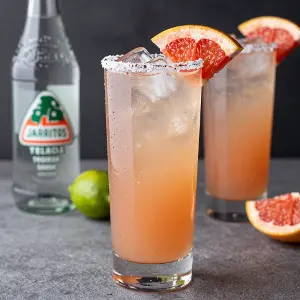
The Paloma is a tall, sparkling highball of blanco tequila, fresh lime juice, a pinch of salt and grapefruit soda, served over ice with a wedge of grapefruit. It's one of the simplest cocktails you can make, and in Mexico it is often called the country's most popular tequila drink, more common in everyday bars and backyard gatherings than the Margarita that most of the world associates with tequila. The name means "dove" in Spanish, which suits a drink this light, bright and easy to drink.
The appeal of the Paloma is its balance of four things: earthy, peppery agave from the tequila; tart lime; the bittersweet zing of grapefruit; and a little salt that ties it all together. It needs no shaker, no special syrups and no bartending skill. You build it right in the glass, which makes it one of the best tequila cocktails to make at home or for a crowd.
For such a popular drink, the Paloma has a surprisingly murky past. No one can say for sure who made the first one, and several of the stories told about it fall apart under close inspection.
For years the Paloma was credited to Don Javier Delgado Corona, the much-loved owner of La Capilla ("The Chapel"), a small cantina in the town of Tequila, Jalisco, that is often called the oldest bar in the region. Don Javier was famous for stirring drinks with a long knife and for creating the Batanga, a salted mix of tequila, lime and cola. Bartender and author Jim Meehan later reported that Don Javier denied inventing the Paloma, though the drink is still poured at La Capilla today.
Another widely repeated story says the Paloma first appeared in a 1950s pamphlet called Popular Cocktails of the Rio Grande by Evan Harrison. As Texas Monthly's look at the Paloma's history explains, the book doesn't seem to exist. The claim appears to have been a prank added to an online encyclopedia, and it spread across cocktail blogs before anyone checked it.
The most likely explanation is also the least romantic. Grapefruit soda arrived in Mexico in the middle of the twentieth century, led by brands like Squirt and later Jarritos Toronja, and people simply started pouring it over tequila with a squeeze of lime. With no single inventor, the Paloma grew out of everyday drinking in homes, taquerias and cantinas. That folk origin is part of why it still feels so unpretentious. Tequila maker Patrón's story of the Paloma gives a good overview of these competing theories.
The first sip of a well-made Paloma is crisp and lively. Grapefruit soda brings sweetness and a pleasant bitter edge, lime adds a sharp, clean acidity, and blanco tequila sits underneath with its vegetal, slightly peppery agave character. The pinch of salt doesn't make the drink taste salty. It softens the grapefruit's bitterness and makes every citrus note brighter, the same way a salted rim works on a margarita.
Compared with a Margarita, the Paloma is longer, lighter and lower in alcohol per sip, because the soda stretches the tequila across a full highball glass. That makes it closer in spirit to Ranch Water, the Texas favorite made with tequila, lime and sparkling mineral water, though the grapefruit makes the Paloma noticeably fruitier and more aromatic.
A 100% agave blanco (also sold as silver or plata) tequila is the classic choice. Its fresh, unaged agave flavor cuts cleanly through the grapefruit. A reposado will give you a rounder drink with soft vanilla and oak notes, which some people prefer in cooler months. To learn more about how these styles differ, see our guide to the different flavors of tequila. You don't need a top-shelf bottle, but avoid "mixto" tequilas that aren't made from 100% agave. Their harsher flavor shows through in a drink this simple.
Because the base recipe is so simple, the Paloma is easy to change. These are some of the most popular versions.
Many craft bars skip the soda and use fresh pink grapefruit juice, lime, a little simple syrup or agave nectar, and a topper of club soda. The result is less sweet and more tart, with a stronger fresh-fruit aroma. If you go this route, our guide on how to make your own simple syrup will help you get the sweetness right.
Swapping the sugar for honey adds floral depth, as in our Honey Paloma. For something warmer and more complex, the Spiced Paloma brings in baking spices that work well in fall and winter.
Replacing some or all of the tequila with mezcal adds a gentle smokiness that pairs beautifully with grapefruit. Muddling a slice or two of jalapeño in the glass, or rimming it with chili-lime salt, turns the Paloma into a spicy drink in the same family as the Pineapple Jalapeño Margarita.
If you love the grapefruit side of the Paloma, try the vodka-based Greyhound and its salt-rimmed sibling, the Salty Dog. Both show how well grapefruit and a touch of salt go together.
Serve the Paloma in a tall highball or Collins glass filled with plenty of fresh ice. Good, cold ice matters more than you might think in a long drink, and our cocktail ice guide explains why. A wedge or wheel of pink grapefruit is the classic garnish, and a half-salted rim is a popular extra touch. Salting only half the rim lets each sip be as salty as you like.
In Mexico, Jarritos Toronja and Squirt are the traditional choices. Craft sodas made with real grapefruit juice give a less sugary, more natural flavor. Whatever you use, make sure it is well chilled so the drink stays fizzy and doesn't need extra ice to cool down.
The Paloma's bright acidity and light body make it a natural match for Mexican food. Try it with fish or shrimp tacos, ceviche, grilled street corn, carnitas, or a big bowl of chips with guacamole and salsa. The grapefruit cuts through rich, fatty dishes and cools the heat of spicy ones.
It is an ideal drink for hot afternoons, pool parties, barbecues and Cinco de Mayo, and it belongs on any list of summer cocktails. Because it's built in the glass and easily scaled up, it also works well as a pitcher drink. Mix the tequila, lime and salt ahead of time, then top each glass with soda just before serving so it stays bubbly.
The Paloma's popularity comes down to simplicity and balance. It takes less than a minute to make, uses ingredients you can find in any grocery store, and still tastes refreshing and complex enough to satisfy experienced cocktail drinkers. It's lighter than most tequila drinks, endlessly adaptable, and grounded in Mexican drinking culture rather than marketing. For more tequila ideas, explore our tequila cocktail guide, or try Mexico's other great tequila classics, the Tommy's Margarita and the El Diablo.