Mix. Drink. Enjoy.
Discover amazing cocktail recipes and elevate your mixology game
Mix. Drink. Enjoy.
Discover amazing cocktail recipes and elevate your mixology game
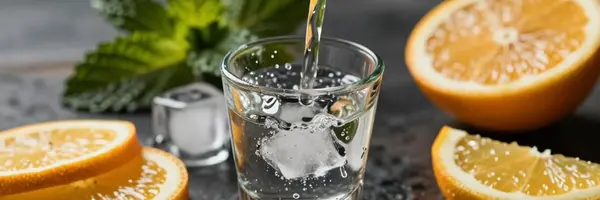
Tequila, with its rich history and diverse production methods, offers a world of flavors waiting to be discovered. From smooth and earthy to bold and spicy, the different types of tequila cater to a wide range of palates and preferences. Whether enjoyed neat, in a cocktail, or as a part of culinary experimentation, each type of tequila brings its own unique character to the table. Let's embark on a journey through the distinctive flavors of tequila as we explore its varied types.
Blanco tequila, also known as silver or white tequila, is revered for its pure and unadulterated flavor. Made from 100% blue agave, this tequila is typically bottled shortly after distillation, allowing the true essence of the agave plant to shine through. Blanco tequila boasts a crisp and vibrant profile, with notes of citrus, pepper, and herbal undertones. It is often the tequila of choice for classic cocktails like the Margarita and the Paloma, where its clean flavor serves as the perfect foundation.
Reposado, meaning "rested" in Spanish, refers to tequila that has been aged in oak barrels for a period of two months to one year. This brief aging process imbues reposado tequila with a subtle complexity and smoothness, as well as a hint of oak influence. The aging imparts notes of vanilla, caramel, and spice, balancing the agave's natural sweetness with nuanced flavors from the barrel. Reposado tequila is versatile, suitable for sipping neat or adding depth to cocktails like the Tequila Old Fashioned or the Tequila Sunrise.
Añejo tequila, aged for a minimum of one year in oak barrels, embodies the pinnacle of sophistication and refinement. The extended aging process allows the flavors to develop and mellow, resulting in a tequila that is smooth, complex, and richly flavored. Añejo tequila exhibits characteristics reminiscent of aged spirits like whiskey and brandy, with notes of oak, caramel, chocolate, and dried fruit. It is best enjoyed slowly, sipped neat or as the star of a luxurious cocktail experience.
Extra Añejo tequila represents the epitome of luxury and craftsmanship in the world of tequila. Aged for a minimum of three years in oak barrels, with some varieties aged even longer, this ultra-premium tequila offers an unparalleled drinking experience. Extra Añejo tequila is characterized by its deep amber hue, velvety texture, and complex flavor profile. Expect to encounter notes of dark chocolate, leather, tobacco, and spice, with a lingering finish that invites contemplation. Reserved for special occasions and discerning palates, Extra Añejo tequila is a testament to the artistry and dedication of master distillers.
The world of tequila is vast and diverse, offering an array of flavors and experiences to suit every taste. From the crisp and vibrant notes of Blanco tequila to the luxurious complexity of Extra Añejo, each type of tequila tells a story of tradition, craftsmanship, and the rich bounty of the agave plant. Whether enjoyed neat, in a cocktail, or as part of a culinary adventure, tequila invites us to savor the moment and celebrate the vibrant spirit of Mexico's most iconic beverage. So, raise a glass and toast to the journey ahead as you explore the distinctive flavors of tequila—one sip at a time.
There are five main NOM-regulated categories: Blanco (unaged, bottled straight after distillation), Reposado (aged 2–12 months in oak), Añejo (aged 1–3 years), Extra Añejo (aged over 3 years), and Joven/Gold (a blend of blanco with aged tequila or colorings). Each has a distinct flavor profile ranging from fresh agave and citrus in blancos to rich vanilla and caramel in extra añejos.
Blanco tequila is bottled immediately after distillation with no aging — it tastes bright, vegetal, and peppery, with pure agave character at the forefront. Reposado is rested in oak barrels for 2–12 months, which rounds out the agave bite and adds subtle vanilla, caramel, and wood notes. Blanco is best in fresh cocktails like Margaritas; reposado works well in spirit-forward drinks like a Tequila Old Fashioned.
Blanco tequila is the go-to for most cocktails because its clean, assertive agave flavor shines through citrus, salt, and sweeteners without being masked by oak. Reposado is excellent in stirred, spirit-forward cocktails where its softness adds complexity. Añejo is typically best sipped neat or on the rocks — its oak investment is too refined to be buried in mixers.
"100% agave" (or "100% de agave") means the tequila was made entirely from blue Weber agave sugars with no added cane sugar or other fermentables. This is the quality standard to look for — mixto tequilas (the lower tier) only need to contain 51% agave sugars, which results in a harsher, less complex product. Always buy 100% agave for cocktails.
No — tequila is actually a type of mezcal, but not the other way around. All tequila is mezcal (a spirit distilled from agave), but mezcal as a category is much broader: it can be made from dozens of agave varieties, in multiple Mexican states, often using traditional underground pit-roasting that imparts the characteristic smokiness. Tequila is made exclusively from blue Weber agave, primarily in Jalisco.