Mix. Drink. Enjoy.
Discover amazing cocktail recipes and elevate your mixology game
Mix. Drink. Enjoy.
Discover amazing cocktail recipes and elevate your mixology game
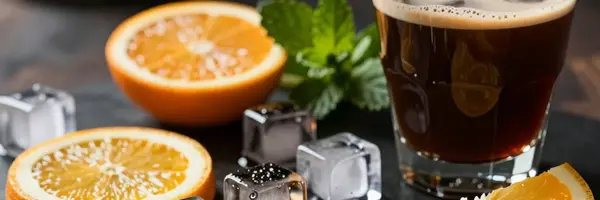
Coffee cocktails sit at the sweet spot where two of life's great pleasures collide. Whether you're looking for a sophisticated after-dinner drink, a party crowd-pleaser, or just a creative way to use that bag of quality beans on your counter, coffee cocktails deliver on every front. In 2026, they're more popular than ever — the espresso martini has held the top position in global cocktail searches for three years running, and the broader world of coffee cocktails is expanding fast. Here's everything you need to know to make them at home.
The coffee cocktail boom isn't an accident. Millennials and Gen Z have driven a surge in demand for drinks that blend indulgence with ritual — and coffee cocktails tick both boxes. They look stunning on a table (that espresso foam isn't just aesthetic, it signals technique), they taste complex and layered, and they offer the appealing combination of caffeine and alcohol in one glass.
According to Difford's Guide's global cocktail rankings, the Espresso Martini has been the most searched cocktail recipe in the world, pulling ahead of long-standing heavyweights like the Margarita and Old Fashioned. Meanwhile, The Manual's deep dive into coffee cocktail trends notes that bars across the country are now dedicating entire menu sections to coffee-based drinks, with cold brew variations leading the innovation charge.
The good news? You don't need a bar program to make excellent coffee cocktails. A cocktail shaker, a shot of espresso, and a few bottles in your liquor cabinet are enough to get started.
The foundation of any coffee cocktail is the coffee itself. Fresh-pulled espresso is the gold standard — it's concentrated, aromatic, and creates the signature froth you want in an espresso martini. If you don't have an espresso machine, a stovetop Moka pot gets surprisingly close.
Cold brew is the other powerhouse ingredient. It's smoother and less acidic than espresso, making it ideal for longer, lighter coffee cocktails. And of course, no coffee cocktail pantry is complete without a quality coffee liqueur — Kahlúa is the household name, but Mr. Black Cold Brew Coffee Liqueur has become a bartender favorite for its deeper, less-sweet profile.
Vodka is the most neutral choice and the traditional base for espresso martinis — it lets the coffee flavor do the talking. Irish whiskey is the classic pairing for hot Irish Coffee, adding warmth and a subtle sweetness that marries beautifully with coffee. Dark rum and bourbon are also excellent choices, bringing caramel and vanilla notes that amplify the richness of the coffee.
Coffee can be bitter, so having the right sweetener matters. Simple syrup dissolves instantly and is the standard choice — you can even make your own following the method in our homemade simple syrup guide. For creamier drinks, heavy cream or half-and-half floated over the top adds richness without overwhelming the coffee.
No coffee cocktail guide starts anywhere else. The Espresso Martini was invented in London in the 1980s by bartender Dick Bradsell — legend has it he was responding to a model's request for a drink that would "wake me up and then mess me up." It's a three-part harmony of vodka, coffee liqueur, and freshly pulled espresso, shaken hard over ice until that characteristic foam forms on top.
Classic Espresso Martini
Combine all ingredients in a cocktail shaker with plenty of ice. Shake hard for 15–20 seconds. Double strain into a chilled coupe glass. Garnish with three coffee beans.
Check out our full Expresso Martini recipe for tips on getting that perfect crema foam every time. The key is freshly brewed espresso — shots that have been sitting for more than a few minutes won't froth up the same way. For more on the technique behind great cocktails, our guide to proper cocktail techniques covers shaking, straining, and chilling in detail.
If the espresso martini is the dressed-up version, the Spiked Iced Coffee is its laid-back weekend twin. It's exactly what it sounds like: cold brew, vodka, coffee liqueur, and milk or cream over ice. The result is a crushable, coffee-shop-style drink with a grown-up edge. Our Spiked Iced Coffee recipe uses cold brew as the base for a mellower, smoother profile than an espresso-forward drink.
The White Russian had its pop culture moment courtesy of The Big Lebowski and never really left. Equal parts vodka and coffee liqueur, finished with heavy cream floated over the top — it's rich, slightly sweet, and deeply satisfying. For a seasonal twist, our Pumpkin Spice White Russian swaps in pumpkin spice creamer for a cozy autumn variation that works year-round if you're a pumpkin fan.
The Irish Coffee predates the espresso martini by decades and remains one of the most elegant ways to combine coffee and alcohol. Hot brewed coffee, a measure of Irish whiskey, brown sugar, and a float of lightly whipped cream — that's it. The key is the temperature contrast between the hot coffee and the cold cream, and making sure the cream is thick enough to float rather than sinking into the cup. Never stir it; you drink the coffee through the cream.
One of the more adventurous entries on this list, the Cold Brew Negroni takes the classic equal-parts formula — gin, Campari, sweet vermouth — and adds a shot of cold brew coffee. The result sounds like it shouldn't work, but the bitterness of the Campari and the bitterness of the cold brew actually play well together, with the sweet vermouth smoothing it out. Serve over a large ice cube and garnish with an orange peel. It's a sophisticated drink that rewards the adventurous home mixologist. For more on mixing techniques that will help you nail it, revisit our cocktail techniques article.
The sour format — spirit, citrus, sweetener, sometimes egg white — translates beautifully to coffee. Replace the base spirit with Kahlúa, add vodka for proof, fresh lemon juice for brightness, and a small amount of simple syrup. If you have egg white on hand, add it and dry-shake first for a silky foam. The lemon cuts through the coffee's richness in a way that's genuinely surprising and refreshing.
A few things make the difference between a good coffee cocktail and a great one. First, use freshly brewed coffee — pre-made or packaged espresso shots are convenient but lack the aromatics that make these drinks sing. Second, always chill your glass beforehand: coffee cocktails served in a warm glass lose temperature fast and the flavors flatten out. Third, if a recipe calls for shaking, shake harder and longer than you think you need to. The foam on an espresso martini comes from aggressive agitation, not gentle swirling.
Also think about your ice. Our article on how ice affects your cocktails explains why the type and size of ice you use matters more than most people realize — especially in shaken drinks where dilution is part of the equation.
The Espresso Martini is the most popular coffee cocktail in the world. It has held the top spot in global cocktail searches for three consecutive years and shows no signs of losing that title. Made with vodka, espresso, coffee liqueur, and simple syrup, it delivers a powerful caffeine kick alongside a smooth, boozy finish.
Vodka, Irish whiskey, dark rum, and coffee liqueur (such as Kahlúa) all pair exceptionally well with coffee. Vodka is neutral and lets the coffee flavor shine — it's the base of the espresso martini. Irish whiskey adds warmth and vanilla notes that complement coffee beautifully. Coffee liqueur amplifies the coffee flavor and adds sweetness, while dark rum brings a rich, molasses depth.
Yes, cold brew is an excellent substitute for espresso in many coffee cocktails. It's less concentrated than espresso but has a smoother, less bitter flavor profile. Use about 2 oz of cold brew where a recipe calls for 1 oz of espresso. Cold brew works especially well in lower-effort drinks like the Spiked Iced Coffee, where the drink doesn't need to be shaken into a froth.
The frothy foam on an Espresso Martini comes from shaking freshly brewed espresso vigorously with ice. The natural oils and proteins in espresso create a crema that, when agitated hard in a shaker, produce that signature foam. The key is to use fresh, hot espresso (not cooled) and to shake the cocktail hard for at least 15 seconds. Strain it quickly into a chilled glass to preserve the foam on top.
It depends on the recipe. An Espresso Martini made with a single shot of espresso contains roughly 60–80mg of caffeine — about the same as a regular cup of coffee. Drinks made with coffee liqueur alone (like a White Russian) have very little caffeine, since the liqueur is low in caffeine content. If you are sensitive to caffeine, try cold brew-based cocktails where you can control the concentration, or opt for drinks that use coffee liqueur as a flavor accent rather than a full shot of espresso.
Coffee cocktails reward a little bit of effort with a lot of payoff. Whether you're shaking up an espresso martini for guests or slowly building an Irish Coffee for a quiet evening, these drinks bring together two things most of us already love. Browse our full collection of cocktail articles and explore the ingredients library to find more ways to build great drinks at home.
References: Difford's Guide — World's Top 100 Cocktails | The Manual — Why Coffee Cocktails Are Booming | PUNCH — Best Cocktail Recipes 2026