Mix. Drink. Enjoy.
Discover amazing cocktail recipes and elevate your mixology game
Mix. Drink. Enjoy.
Discover amazing cocktail recipes and elevate your mixology game
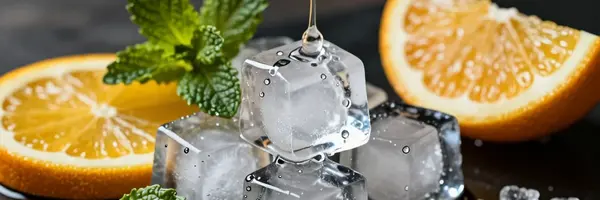
When most people think about what separates a great cocktail from a mediocre one, they think about the spirit, the ratio, or the garnish. Rarely does anyone point to the ice. But ask any serious bartender and they'll tell you: ice is an ingredient, and like every other ingredient, the quality and type you choose has a direct impact on the final drink.
This guide breaks down everything you need to know about cocktail ice — from the science of dilution to which ice belongs in which glass.
Ice does two things in a cocktail: it chills the drink, and it dilutes it. These aren't side effects — they're functions. A cocktail shaken or stirred with ice isn't just cold; it's been intentionally diluted to open up flavors, soften alcohol burn, and achieve the right texture.
The problem is that these two functions work against each other. More surface area = faster chilling, but also faster dilution. Understanding that trade-off is the foundation of thinking about ice correctly.
A properly made cocktail has roughly 20–25% dilution by the time it's served. Too little and it tastes harsh and boozy. Too much and it's watery and flat. Ice controls that balance.
Large cubes are the workhorses of spirit-forward cocktails — Old Fashioneds, Negronis, Manhattans, and any drink served on the rocks. Because of their low surface-area-to-volume ratio, they melt slowly, keeping the drink cold while adding dilution gradually over time.
A 2-inch cube in a glass of whiskey will still be largely intact 30 minutes later. That's the point. You get to sip slowly without your drink turning into a watery mess.
The default cube from most freezers and ice machines. These are versatile and work well in shakers, highballs, and casual mixed drinks. They chill quickly and provide moderate dilution — enough to integrate the flavors of a cocktail without drowning them.
The main downside of standard cubes at home is quality. Freezer ice often picks up off-flavors from surrounding foods. Using a dedicated ice tray with filtered water makes a noticeable difference.
Cracked ice is made by breaking down larger cubes into irregular chunks. It chills faster than whole cubes due to greater surface area, which is why it's often preferred inside a cocktail shaker — it transfers cold efficiently and creates well-integrated dilution during the shake or stir.
It's less ideal as a serving ice because those irregular edges melt unevenly once in the glass.
Crushed ice is fine, snow-cone-style ice with the highest surface area of any format. It chills almost instantly and dilutes aggressively — which, in the right drink, is exactly what you want. Tiki drinks, Mint Juleps, and Moscow Mules are all designed around crushed ice. The dilution is part of the recipe; these drinks are meant to be lighter, more refreshing, and lower in intensity.
If you try to serve a strong stirred cocktail over crushed ice, it'll be watery within minutes. Context matters.
Long, rectangular spears of ice cut to fit a Collins or highball glass. They keep carbonated drinks cold without over-diluting them and prevent the ice from rattling around as you sip. They're a great choice for Tom Collins, Palomas, or any spritz-style cocktail.
Yes — and not just for looks.
Standard home freezer ice is cloudy because water freezes from the outside in, trapping air bubbles and mineral impurities in the center. Clear ice is made by freezing water directionally — from top to bottom — which pushes those impurities out before they can get locked in.
The practical differences:
You don't need a professional ice press to make clear ice at home. A simple directional freezing method — using an insulated cooler with the lid off, filled with filtered water and placed in your freezer — works well and produces large blocks you can cut down to size.
| Drink Type | Best Ice |
|---|---|
| Old Fashioned, Negroni | Large cube or sphere |
| Highball, G&T | Standard cubes or Collins spear |
| Mint Julep | Crushed ice |
| Moscow Mule | Crushed ice |
| Tiki drinks | Crushed ice |
| Shaken cocktails (while mixing) | Cracked or standard cubes |
| Stirred cocktails (while mixing) | Large cracked or standard cubes |
| Frozen/blended drinks | Crushed ice |
Bartenders often keep their ice in a freezer set lower than standard (around 0°F / -18°C or colder). Warmer ice — ice that's been sitting out or is slightly wet — melts much faster and creates more dilution during shaking. If you've ever wondered why a shaken cocktail from a good bar tastes different from one you made at home, the temperature of your ice is a likely culprit.
Before shaking, it's worth giving your ice a quick rinse under cold water to remove any surface frost, which paradoxically slows dilution slightly by reducing immediate surface melt.
Ice is the only ingredient in a cocktail that changes while you're drinking it. It's doing active work — chilling, diluting, presenting — from the moment it hits the glass. Choosing the right type, making sure it's made from good water, and matching it to the drink style are small decisions that add up to a noticeably better cocktail.
The next time a drink tastes off and you can't figure out why, check your ice. You might be surprised.
What type of ice is best for cocktails?
The best ice for a cocktail depends on the drink. Large 2-inch cubes or spheres are best for spirit-forward cocktails served on the rocks, like an Old Fashioned or Negroni, because they melt slowly and limit dilution. Standard 1-inch cubes work well for highballs and shaking. Crushed ice is best for Mint Juleps, Moscow Mules, and tiki-style drinks that benefit from faster chilling and higher dilution.
Does the type of ice affect the taste of a cocktail?
Yes. Ice affects two key variables: temperature and dilution. Different ice types melt at different rates, which changes how much water enters the drink over time. Over-diluted cocktails taste flat and watery; under-diluted ones taste harsh and overly alcoholic. The right ice helps achieve the intended balance of a recipe.
Why is clear ice better than cloudy ice?
Clear ice is denser than cloudy ice because it's frozen directionally, which forces out trapped air bubbles and mineral impurities. As a result, it melts more slowly (less dilution), maintains its shape longer, introduces no off-flavors as it melts, and looks more visually appealing in the glass.
How do I make clear ice at home?
Fill a small insulated cooler (with the lid off) with filtered water and place it in your freezer. The insulation forces the water to freeze from the top down — the same directional method used commercially. After 24–36 hours, remove the cooler before the bottom freezes solid. You'll have a large, mostly clear block you can cut into cubes or spheres using a serrated knife and a mallet.
What ice do bartenders use in cocktail shakers?
Most bartenders use standard 1-inch cubes or cracked ice in their shakers. Cracked ice has more surface area, which chills the drink faster during the shake. After shaking, the ice is strained out and fresh serving ice goes in the glass — a practice called double straining that ensures maximum chill with controlled final dilution.
Can you use crushed ice for all cocktails?
No. Crushed ice melts very quickly, which means it dilutes drinks rapidly. It's ideal for cocktails specifically designed for it — Mint Juleps, Moscow Mules, Swizzles, and tiki drinks — where a lighter, more refreshing texture is the goal. Using crushed ice in a spirit-forward drink like a Manhattan or Negroni would result in a watery, unbalanced cocktail within minutes.
Does ice shape matter for cocktails?
Yes. The shape of ice determines its surface area relative to its volume, which directly controls how quickly it melts. A sphere has the lowest surface area of any shape for a given volume, making it the slowest-melting format — ideal for a long, leisurely sipping experience. Cubes melt faster, and crushed ice melts fastest of all.
How much dilution should a cocktail have?
Most well-made cocktails have roughly 20–25% dilution by the time they're served. This is achieved during the shaking or stirring process and is essential for integrating flavors, softening alcohol, and achieving the right mouthfeel. The exact amount varies by recipe, but a cocktail with no dilution will almost always taste too harsh.