Mix. Drink. Enjoy.
Discover amazing cocktail recipes and elevate your mixology game
Mix. Drink. Enjoy.
Discover amazing cocktail recipes and elevate your mixology game
Posted: October 19, 2025
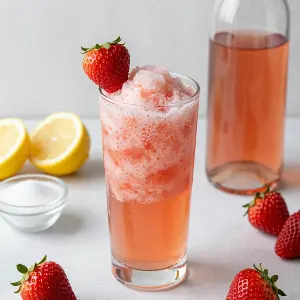
Frozen Rosé — universally shortened to "frosé" — blends chilled rosé wine with ripe strawberries, a touch of sugar, and a splash of lemon juice into a smooth, slushy, brilliantly pink drink. It's part cocktail, part frozen treat, built for pool days, brunches, and sunset patio hangs rather than a formal dinner pour. Where a glass of rosé is a quiet, elegant sip, frosé turns the same wine into something playful and communal, closer in spirit to the site's Sangria than to a standard glass of chilled wine.
Unlike most cocktails with murky, contested origin stories, frosé has an unusually specific birthdate and inventor. In the summer of 2016, Justin Sievers, general manager at Bar Primi in New York City, was experimenting with a frozen drink machine the restaurant had recently bought for frozen Negronis. Curious whether rosé could work the same way, he poured Sicilian rosé, rosé vermouth, and puréed strawberries into the machine to see what would happen. The result went viral almost overnight — a video of Sievers making the drink racked up hundreds of millions of views on Facebook, lines formed around the block outside Bar Primi, and the restaurant scrambled to buy more slushie machines just to keep up with demand. By the end of that summer, both Vogue and Bon Appétit had declared 2016 "the summer of frosé," and the drink has stayed a warm-weather staple on bars and restaurant menus ever since — a rare case of a modern cocktail whose entire origin story took place within a single documented season, recounted in detail by Wine Enthusiast's ten-year retrospective on frosé.
Rosé wine sets the base flavor, contributing light red-fruit notes — usually strawberry, watermelon, or citrus, depending on the bottle — along with the wine's natural acidity and a gentle dryness. Frozen strawberries add concentrated sweetness and body, thickening the mixture into a proper slush rather than a thin, icy drink, while a splash of lemon juice keeps the whole thing from tipping too far into dessert territory. A dry or semi-dry rosé generally works better than a very sweet one, since the added sugar and fruit already push the drink toward sweetness on their own; a fuller-bodied rosé made from grenache or syrah tends to hold its character better once blended with ice and fruit than a very light, delicate bottle. The overall effect is refreshing, fruity, and only moderately sweet — a frozen treat with real wine character underneath, rather than a boozy snow cone.
Freeze a bottle of rosé in ice cube trays or a shallow container the night before, along with a cup of fresh or frozen strawberries. When ready to serve, combine the frozen rosé cubes, strawberries, a tablespoon of sugar, and a squeeze of fresh lemon juice in a blender, and blend until smooth and slushy, adding a splash of unfrozen rosé if the mixture is too thick to blend evenly. Pour into a wine glass and serve immediately, since frosé melts quickly and is best enjoyed while still properly frozen. Using pre-frozen wine instead of fresh ice cubes keeps the drink from getting watered down as it sits, preserving both the wine's flavor and the slush's texture longer, a technique Rachel Cooks' frosé recipe also recommends for the best consistency.
Because rosé and strawberries are just the starting point, frosé has spawned plenty of fruit and flavor variations. A triple berry version swaps in frozen raspberries and blackberries alongside strawberries for a deeper, darker color and more complex berry flavor. A peach-and-orange variation uses frozen peaches and a splash of orange juice for a lighter, more citrus-forward take, especially popular with lighter, drier rosé bottles. For drinkers who want a similar chilled, fruit-forward wine drink without the blender, the site's Sparkling Wine Spritzer offers an easier, unblended alternative, while the fruit-macerated Harvest Sangria and the crisp Sparkling Apple Pear Sangria both channel a similar wine-and-fruit spirit for cooler months.
A stemmed wine glass is the standard serve, both for presentation and because it keeps the drink's temperature stable a bit longer than a glass held directly in the hand. A whole strawberry on the rim or dropped into the glass is the classic garnish, sometimes joined by a sprig of mint. Frosé is unambiguously a warm-weather, daytime drink — pool parties, brunches, bridal showers, and rooftop hangouts are its natural habitat, the same territory occupied by fruit-forward, wine-based drinks like the site's Strawberry Fields Martini or a fall-leaning Apple Cider Spritz once the weather cools.
Few modern drinks have gone from invention to cultural phenomenon as quickly as frosé did in the summer of 2016, and its staying power since then comes down to how well it delivers on a simple promise: a familiar, beloved wine turned into something more fun and more refreshing on a hot day. It doesn't require any special expertise to make at home, just a blender and a bottle of frozen rosé, which has helped it spread from Bar Primi's slushie machine to backyard parties and Instagram feeds everywhere. Nearly a decade after Justin Sievers first poured Sicilian rosé into that machine on a whim, frosé remains one of the most reliable warm-weather crowd-pleasers around, right alongside herb-forward summer sippers like the site's Strawberry Basil Smash.