Mix. Drink. Enjoy.
Discover amazing cocktail recipes and elevate your mixology game
Mix. Drink. Enjoy.
Discover amazing cocktail recipes and elevate your mixology game
Posted: November 2, 2023
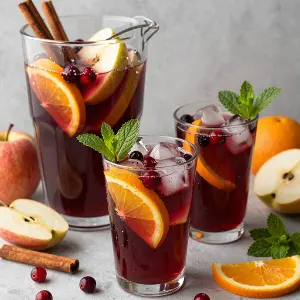
Harvest Sangria takes Spain's classic wine punch and reorients it entirely around fall: red or white wine steeped with apples, pears, pomegranate seeds, and warming cinnamon in place of summer's citrus and berries. Like the classic Sangria it descends from, it's a pitcher drink built for sharing, wine fortified with brandy, sweetened and flavored by whatever fruit is macerating inside it, then topped with a splash of soda before serving. What makes the harvest version distinct is the produce: orchard fruit and baking spices instead of oranges and strawberries, so the finished pitcher looks and tastes like autumn in a glass, deep amber or garnet in color, fragrant with cinnamon, and studded with apple and pear slices that have been soaking up boozy wine for hours.
Sangria's roots reach back roughly two thousand years earlier than most drinkers realize. According to a history of the drink published by VinePair, its earliest ancestor is hippocras, a Roman and Greek practice of mixing wine with sugar, spices, and whatever herbs were on hand, largely because water itself often wasn't safe to drink and diluted, flavored wine offered a more reliable option. Spain inherited the wine culture through Phoenician grapevines introduced around 1100 BC, and the drink's name comes from the Spanish word for blood, a direct reference to the red wine at its base. Production was interrupted for centuries following the Moorish conquest in 711 AD and didn't fully resume until 1492, after which sangria's popularity steadily rebuilt. It didn't become a household name in the United States until Spain's pavilion served it to visitors at the 1964 World's Fair in New York City, an introduction that turned a regional Spanish punch into an international warm-weather staple.
Sangria's built-in flexibility, any wine, any fruit, any amount of sweetness, is exactly what allowed it to migrate from a strictly summer drink into a fall one. Once home cooks and bartenders realized the format could carry apple cider, cinnamon sticks, and orchard fruit just as easily as it carried peaches and citrus, autumn and harvest sangrias started showing up on menus and blogs as a way to keep the pitcher-drink tradition going once the weather turned. A popular fall version from Sally's Baking Addiction swaps in apple cider and brandy alongside sliced apples, pears, oranges, and pomegranate seeds, steeped with cinnamon sticks until the wine takes on real orchard character.
Expect layers of fruit-forward sweetness balanced by wine's natural acidity. Apples and pears contribute a crisp, mellow sweetness, while pomegranate seeds add a tart, jewel-toned pop of flavor and color throughout the pitcher. Cinnamon sticks steeped alongside the fruit lend a warm, baking-spice aroma that makes the whole drink smell like a bakery kitchen in October, and a splash of apple cider deepens that orchard character even further. Brandy adds warmth and a bit of extra kick without overpowering the fruit, and the wine itself, red for a bolder, more tannic base or white for something lighter and crisper, ties everything together. A final pour of club soda right before serving lightens the texture and keeps the drink from feeling too syrupy after hours of steeping.
The red wine version leans into deeper, more full-bodied flavor, pairing naturally with darker fruit like pomegranate and dark grapes, while a white wine build produces something crisper and more sippable, closer in spirit to the fruit-forward lightness of a Apple Cider Sangria. For colder months, a Winter Sangria pushes the format even further into the holiday season, swapping in cranberries, orange liqueur, and Aperol for a more bittersweet, wintry pour. Drinkers who want the same orchard flavors served warm rather than chilled often turn to Mulled Wine instead, gently heating red wine with cinnamon, cloves, and citrus for a mug-friendly alternative to the pitcher format. And for guests who'd rather skip wine altogether but still want that crisp apple-and-spice profile, an Apple Cider Mule hits many of the same notes in a vodka-and-ginger-beer format.
Sangria rewards patience: build it in a large pitcher, add your sliced fruit, wine, brandy, and cinnamon sticks, then refrigerate for at least three to four hours, and ideally overnight, so the fruit has time to release its flavor into the wine and absorb some booze in return. Serve over ice in a wine glass or a sturdy tumbler, spooning some of the macerated fruit into each glass along with the liquid, and top with a splash of club soda just before pouring to keep the carbonation lively rather than flat. A cinnamon stick stirrer and a few extra apple or pear slices on the rim finish the presentation and signal the season at a glance.
Harvest Sangria is built for exactly the gatherings its name implies: Thanksgiving tables, fall dinner parties, apple-picking get-togethers, or any autumn brunch where a pitcher drink makes more sense than individually mixed cocktails. It pairs naturally with roasted turkey or pork, aged cheeses, charcuterie boards heavy on dried fruit and nuts, and spiced desserts like apple crisp or pumpkin bread. As a lower-proof, easy-to-batch option, it also works well served alongside spirit-forward cocktails like an Autumn Old Fashioned on a fall party menu, giving guests a lighter option that still fits the seasonal theme.
Harvest Sangria works because it inherits everything that's made sangria popular for centuries, communal serving, endless customization, and a built-in excuse to use whatever fruit is in season, and simply points that flexibility toward autumn's best produce. It requires no special bartending skill, scales effortlessly for a crowd, and looks the part sitting on a table next to a fall spread. As long as apple orchards keep producing every September and October, Harvest Sangria is likely to remain one of the easiest, most crowd-pleasing ways to bring that seasonal bounty into a glass. For more seasonal pitcher and mug drinks, browse MixDrinkEnjoy's full collection of fall cocktails.