Mix. Drink. Enjoy.
Discover amazing cocktail recipes and elevate your mixology game
Mix. Drink. Enjoy.
Discover amazing cocktail recipes and elevate your mixology game
Posted: November 2, 2023
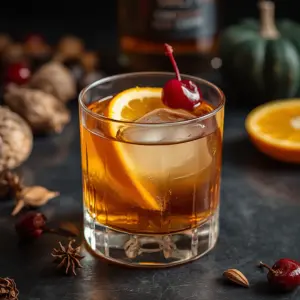
The Autumn Old Fashioned takes the world's most enduring whiskey cocktail and dresses it for the season, swapping the classic Old Fashioned's simple sugar for rich maple syrup and layering in warm spice notes like clove and orange. The bones of the drink stay exactly where bartenders have kept them for over a century: bourbon, a touch of sweetener, and aromatic bitters, stirred over ice and finished with citrus oils expressed across the surface. What changes is the mood. Where the original leans clean and austere, the Autumn Old Fashioned leans cozy, built for the specific window between the first cold snap and the last fallen leaf, when a bourbon cocktail should taste a little like the season looks.
To talk about the Autumn Old Fashioned is really to talk about the Old Fashioned itself, one of the oldest cocktails still in regular circulation. The drink is widely credited to Louisville's Pendennis Club in the late 1880s, where, according to a history published by GoToLouisville.com, legend holds that a guest asked for a cocktail but confessed he wasn't fond of bourbon; rather than serve something else in the heart of bourbon country, the bartender built a drink around it instead. Colonel James E. Pepper, a Pendennis Club member and master distiller, is credited with carrying the recipe to New York's Waldorf Astoria Hotel, where it picked up national attention. The name itself traces to the 1880s Chicago Tribune, which described patrons requesting a whiskey cocktail mixed "the old-fashioned way," a nod to simpler, pre-fashion-forward cocktail construction. Louisville took the connection seriously enough to name the Old Fashioned its official municipal cocktail in 2015.
Maple syrup is the ingredient that turns a standard Old Fashioned into an autumn one. Unlike plain sugar, maple syrup carries its own caramel and toasted-wood character, which harmonizes with bourbon's own vanilla and oak notes rather than simply sweetening the glass. As one popular maple riff from Gimme Some Oven puts it, real maple syrup "brings out those warm, rich, caramel-y flavors in the bourbon" without pushing the drink into cloying territory. Add a few dashes of clove-forward bitters and a generous orange twist, and the drink starts to taste like the fall harvest itself: baked apples, brown butter, and woodsmoke.
Expect a spirit-forward drink with real depth. Bourbon supplies the backbone, vanilla, caramel, and oak, while maple syrup rounds out the sweetness with a toasty, slightly smoky edge that granulated sugar simply can't replicate. Clove and orange bring warmth and brightness in equal measure: clove reads as a baking spice, echoing mulled cider and pie crust, while the expressed orange oils cut through the richness with a citrus lift that keeps the drink from tasting heavy. The overall effect sits close to a Gingerbread Old Fashioned in spirit, though notably less sweet and spice-forward, since the Autumn version keeps its focus on maple and citrus rather than a full baking-spice syrup.
For drinkers who want to push further into holiday spice territory, the Gingerbread Old Fashioned adds a homemade syrup built from molasses, cinnamon, and ginger for a dessert-like variation better suited to December than October. Fans of a slightly more bitter, aperitif-leaning fall drink often reach for a Boulevardier, which trades maple and bitters for sweet vermouth and Campari but keeps the same bourbon backbone. Those who prefer their autumn bourbon cocktails shaken rather than stirred tend to land on a Maple Bourbon Sour, which uses the same maple-and-bourbon pairing in a brighter, citrus-forward format. And for a warm, mug-served alternative on especially cold nights, a Hot Toddy or a spiced Pumpkin Toddy hits a similar seasonal register without the ice.
Stick with tradition here: a short rocks glass and a single large ice cube, which chills the drink without diluting it too quickly. Stir the bourbon, maple syrup, and bitters together first to fully incorporate the syrup before adding ice, since maple can be slower to dissolve than simple syrup, then stir again over the large cube until well chilled. Express an orange peel directly over the glass to release its citrus oils across the surface of the drink, then drop it in or twist it along the rim as garnish. A few whole cloves pressed into the peel, or a cinnamon stick set alongside the glass, adds both aroma and a visual cue that this is the fall edition of a very old classic.
This is a drink built for the specific rituals of fall: apple picking come-downs, Thanksgiving cocktail hours, or a quiet evening by the fireplace once the weather turns. Its caramel and spice notes pair naturally with roasted root vegetables, aged cheddar, smoked meats, or a warm apple or pecan pie for dessert. It also holds its own next to a Mint Julep or a Manhattan on a whiskey-focused cocktail menu, giving guests a seasonal option alongside the year-round classics.
Part of what makes the Autumn Old Fashioned work so well is that it doesn't try to reinvent a drink that's already survived over a century of trends. It keeps the original's core structure, spirit, sweetener, bitters, citrus, and simply reorients each element toward fall: maple instead of sugar, clove instead of plain Angostura, a heavier hand with the orange. That restraint is exactly why it works as a seasonal menu staple rather than a gimmick. As long as bourbon and maple syrup remain a pairing worth returning to every October, the Autumn Old Fashioned will keep earning its spot next to the original on cocktail menus and home bar carts alike.