Mix. Drink. Enjoy.
Discover amazing cocktail recipes and elevate your mixology game
Mix. Drink. Enjoy.
Discover amazing cocktail recipes and elevate your mixology game
Posted: October 3, 2026
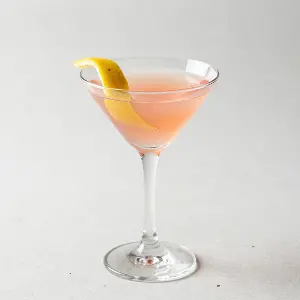
The Jasmine is a modern classic gin sour made with gin, fresh lemon juice, Cointreau and a small amount of Campari, shaken and served in a chilled coupe with a lemon twist. It's bright, tart and gently bitter, with a lovely pale pink color.
The Jasmine has a famous quirk: many people say it tastes remarkably like fresh grapefruit juice, even though it doesn't contain any grapefruit. The combination of Campari's bitter orange notes and lemon's acidity creates a flavor that's uncannily similar.
The Jasmine was created in the early 1990s by Paul Harrington, an influential California bartender, while he was working at the Townhouse Bar & Grill in Emeryville, near San Francisco. Harrington is said to have made the drink for a friend named Matt Jasmin, and the cocktail's name is a slightly altered version of his name.
Harrington was one of the pioneers of the cocktail revival. He wrote an influential cocktail column for Wired magazine in the late 1990s and co-authored the book Cocktail: The Drinks Bible for the 21st Century, which included the Jasmine. Thanks to his writing, the drink spread to bartenders across the country. It became one of the first modern cocktails to earn "classic" status, and it's now on many bar menus.
The Jasmine is crisp, tart and refreshing, with a gentle bitterness. Gin provides a botanical backbone, lemon juice adds bright acidity, and Cointreau brings sweet orange flavor that balances the sourness. Campari, used sparingly, adds a bitter orange edge and that famous pink hue. Together, these flavors create the drink's grapefruit-like character: zesty, slightly bitter and very bright. It's lighter and less bitter than a Negroni, which makes it a great introduction to Campari.
Campari is a bitter Italian aperitif created in Milan in 1860 by Gaspare Campari. Its recipe is a closely guarded secret, but its flavor features bitter orange, rhubarb, cherry and herbs. Campari is famous for its bright red color and is the key ingredient in classics like the Negroni, Americano and Boulevardier. Learn more on Wikipedia's Campari page. In the Jasmine, only a small amount is used, so it adds color and bitterness without dominating the drink.
Freshly squeezed lemon juice is essential for the drink's bright, clean flavor. Bottled juice will make it taste flat.
Campari is powerful, so measure it carefully. A quarter to a half ounce is plenty. You can adjust it to taste; more Campari makes the drink more bitter and pinker.
Shake with plenty of ice for 10 to 15 seconds to chill the drink properly and give it a light, lively texture.
A classic London dry gin with strong juniper and citrus notes works best. Softer, floral gins make a gentler Jasmine.
The Jasmine is closely related to the White Lady, a classic of gin, Cointreau and lemon. It also shares DNA with the Sidecar. If you enjoy the Jasmine, try the citrusy Pegu Club, or the Gimlet for a simpler gin sour.
The Jasmine's grapefruit illusion comes from how our senses combine flavors. Grapefruit is defined by three things: bright acidity, a hint of sweetness and a distinctive bitterness. Lemon juice provides the acidity, Cointreau the sweetness and orange-citrus aroma, and Campari the bitterness, with its own notes of bitter orange peel. Put together in the right proportions, the brain reads them as a single, familiar fruit. It's a great example of how bartenders can create new flavors by combining ingredients, and it's a fun party trick. Serve one to a friend and ask them what fruit they taste.
The Jasmine is easy to tweak. Swap the Cointreau for another orange liqueur, use Aperol instead of Campari for a sweeter, gentler drink, or add a dash of grapefruit bitters to lean into the drink's grapefruit character even more.
Serve the Jasmine straight up in a chilled coupe or martini glass. Garnish with a lemon twist, expressed over the surface to release its oils.
The Jasmine's bright, citrusy flavor makes it a great aperitif. It pairs well with seafood, salads, goat cheese, smoked salmon and light appetizers. It's ideal for spring and summer gatherings, brunches and dinner parties, and it's a great drink to serve to guests who think they don't like Campari.
The Jasmine is a simple, elegant drink that shows how a small amount of a bold ingredient can transform a classic template. It's bright, balanced and refreshing, and its grapefruit-like flavor makes it a fun conversation starter. For more ideas, see our guide to the best gin cocktails to make at home, or see the Jasmine recipe on Difford's Guide.