Mix. Drink. Enjoy.
Discover amazing cocktail recipes and elevate your mixology game
Mix. Drink. Enjoy.
Discover amazing cocktail recipes and elevate your mixology game
Posted: October 14, 2025
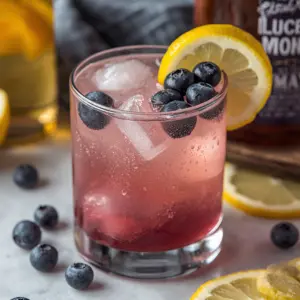
The Blueberry Lemon Fizz combines vodka, fresh lemon juice, and honey syrup with muddled blueberries and floral elderflower liqueur, all lifted by a splash of sparkling water into a light, effervescent, golden-pink cocktail. It belongs to the fizz family — spirit, citrus, sugar, and carbonation — that also includes the site's Vodka Fizz and Rum Fizz, but adds fresh fruit and elderflower's delicate floral sweetness for a more elegant, brunch-ready profile.
The Fizz is one of the older branches of the sour family, distinguished from a standard sour by the addition of carbonated water on top. The earliest printed reference to the category appears in Jerry Thomas's 1876 Bartender's Guide, which described an effervescent drink built from brandy, lemon juice, sugar, and soda. Cocktail historian Dave Wondrich has traced the gin fizz specifically to an American adaptation of gin punches served in London hotel bars, and by the turn of the 20th century the format had become a New Orleans specialty, with the elaborate Ramos Gin Fizz — invented there in 1888 by bartender Henry C. Ramos — becoming so popular that bars reportedly employed relay teams of bartenders just to keep up with the shaking required for its egg-white foam, a story recounted in more detail in Alcohol Professor's history of the Ramos Gin Fizz. The blueberry and elderflower version served here is a much more modern descendant of that same basic formula, trading the citrus-and-soda simplicity of the original for a fruitier, more floral 21st-century update.
Elderflower liqueur's presence in the drink owes a lot to St-Germain, the liqueur widely credited with introducing elderflower to modern American cocktail culture. Third-generation distiller Rob Cooper launched St-Germain in 2007 after tasting an elderflower cocktail at a London bar, sourcing his elderflowers from wild bushes in the French Alps during their brief, weeks-long spring harvest. The liqueur's arrival kicked off an elderflower craze across cocktail menus that has lasted well over a decade, and its light, honeyed floral character has since become a go-to way to add sophistication to fruit-and-citrus drinks like this one without adding heavy sweetness. VinePair's guide to St-Germain covers more of that history, including how the brand's success revived interest in elderflower across the wider spirits industry.
The Blueberry Lemon Fizz opens with bright, tart lemon juice, quickly joined by the deep, slightly earthy sweetness of muddled blueberries. Elderflower liqueur threads a delicate floral note through the middle of the drink, adding perfume and complexity without pushing the sweetness too far. Honey syrup rounds out the edges with a warmer, more natural sweetness than plain sugar, and the sparkling water topper lightens everything at the finish, turning what could be a heavy fruit cocktail into something crisp and effervescent. Vodka stays mostly out of the way, providing structure and a clean spirit base rather than dominating the flavor, similar to the role it plays in the site's Vodka Sour.
Muddle a small handful of fresh blueberries in the bottom of a shaker to release their juice. Add 2 oz vodka, 0.5 oz elderflower liqueur, 0.75 oz fresh lemon juice, and 0.5 oz honey syrup, then fill with ice and shake well to combine. Strain into a glass filled with fresh ice, then top with a splash of sparkling water for lift and effervescence. Garnish with a lemon wheel and a few whole fresh blueberries dropped into the glass, which continue to add color and a small burst of flavor as the drink is sipped. Drinkers who enjoy the tart, citrus-and-fizz format might also like the site's Amaretto Fizz, which applies the same soda-topped structure to a nuttier, almond-forward liqueur base.
The blueberry-lemon-elderflower combination is flexible enough to support plenty of riffs. Swapping honey syrup for simple syrup and adding an egg white for a dry shake turns the drink into something closer to a true silver fizz, with a pillowy foam layer similar to the technique used in the Vodka Fizz. A blueberry simple syrup, made by simmering fresh blueberries with sugar and water and straining out the solids, produces a smoother, seedless version without any muddled fruit texture in the glass. For a punch-style presentation meant for a crowd, the same blueberry-and-citrus profile shows up in the site's Spiced Blueberry Rum Punch, which trades vodka and elderflower for spiced rum and warmer spice notes.
A Collins or highball glass is the standard choice, giving the sparkling water room to stay lively and the ice enough space to keep the drink cold through a longer sip. A lemon wheel and a small cluster of fresh blueberries make for an easy, attractive garnish that doubles as a preview of the drink's flavor. This is very much a daytime, occasion-driven cocktail — brunches, garden parties, and bridal or baby showers are natural fits, the same crowd that gravitates toward citrus-forward, lightly sweet drinks like the site's Lemon Drop Martini or the bright blue Electric Lemonade.
Part of what makes this drink successful is how well its individual pieces are chosen to support each other: tart lemon, natural honey sweetness, deep blueberry flavor, and elderflower's floral lift all play distinct but complementary roles, none of them fighting for dominance. That kind of careful balance is exactly what has made fizzes endure for nearly 150 years since Jerry Thomas first wrote one down, and it's why the format keeps absorbing new ingredients — from Ramos's egg-white foam in 1888 to St-Germain's elderflower revival in the 2000s — without losing what made the category work in the first place: a clean spirit, real citrus, and a burst of sparkling lift at the very end.