Mix. Drink. Enjoy.
Discover amazing cocktail recipes and elevate your mixology game
Mix. Drink. Enjoy.
Discover amazing cocktail recipes and elevate your mixology game
Posted: August 21, 2026
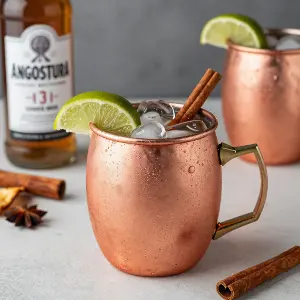
The Spiced Caribbean Mule takes the familiar copper-mug formula of the Moscow Mule and sends it south, swapping out vodka for warm, baking-spice-laden spiced rum. The result is a drink that keeps the mule's signature snap — sharp ginger, bright citrus, and a fizzy lift — while layering in notes of vanilla, clove, and cinnamon that only a good spiced rum can deliver. It's built, not shaken: rum, fresh lime juice, and a dash of aromatic bitters go into a glass over ice, then the whole thing is topped with cold ginger beer and given a gentle stir. Few cocktails deliver this much flavor for this little effort, which is part of why the mule family has become one of the most reliably ordered styles at bars worldwide.
Spiced rum is the star here, and it does a lot of the heavy lifting. Where a standard mule leans on vodka's neutrality to let the ginger beer shine unchallenged, spiced rum pushes back with its own personality — caramelized sugar, toasted spice, and a faint vanilla sweetness that plays beautifully against the ginger beer's heat. A half ounce of fresh lime juice keeps the whole thing from tipping into dessert territory, cutting the sweetness with a clean, tart edge, while a single dash of aromatic bitters adds a whisper of clove and dried fruit that ties the rum's spice notes to the ginger's bite. The finished drink is effervescent and refreshing up front, with a warm, lingering finish that feels more autumnal than a typical warm-weather cooler. It's this tension between "refreshing" and "cozy" that makes the Spiced Caribbean Mule such a versatile pour — equally at home on a summer porch or next to a bonfire in October.
Every mule variation traces its lineage back to the original Moscow Mule, a drink whose creation myth involves a Los Angeles bar owner, a struggling vodka importer, and a warehouse full of unwanted copper mugs in the early 1940s. That drink — vodka, ginger beer, and lime — became a hit almost by accident, and bartenders have been remixing its base spirit ever since. Bourbon drinkers get the Kentucky Mule, campers and outdoor bars have embraced the smoky, whiskey-forward Campfire Mule, and fall menus lean on the Apple Cider Mule for a seasonal twist. The Caribbean Mule fits neatly into this tradition, using spiced rum to nod toward the islands where sugarcane spirits and warm spice blends have been paired for centuries. For a broader look at how rum fits into cocktail history generally, our rum cocktail guide is a good next stop, and if you want to go deep on the mixer that defines this whole family of drinks, our piece on ginger beer's spirited history covers how the ingredient went from a Victorian-era fermented soda to a bar staple.
Because the base formula is so forgiving, bartenders and home mixologists have found plenty of room to riff on the Spiced Caribbean Mule. Some versions swap in dark rum for an even deeper, more molasses-forward profile, while others split the base between spiced and coconut rum to push the drink further into tropical territory. A few recipes add a splash of pineapple juice for extra sweetness and body, effectively bridging the gap between a mule and a punch. Garnish-wise, a lime wedge is standard, but a cinnamon stick or a few grates of fresh nutmeg on top will amplify the baking-spice character of the rum and make the drink smell as good as it tastes. If you're a fan of savory, spicy riffs on classic formats, it's worth comparing this drink's approach to the Michelada or the original Bloody Mary — different flavor families entirely, but the same principle of building a familiar format around a distinctive base spirit.
Tradition calls for a copper mug, and there's real science behind the choice: copper is an excellent conductor of cold, so the mug frosts up quickly and keeps the drink icy longer than glass would. That said, a chilled highball glass works just fine if you don't have copper mugs on hand — the drink will taste identical, even if the presentation is a touch less dramatic. Fill the vessel generously with ice before building the drink, since the ratio of ice to liquid affects both dilution and how quickly the ginger beer's carbonation fades. A lime wedge perched on the rim is the classic garnish, but don't be afraid to add a cinnamon stick for a bit of theater, especially if you're serving this drink in cooler months.
The Spiced Caribbean Mule's combination of spice, citrus, and carbonation makes it a strong match for grilled and smoked foods — think jerk chicken, barbecue ribs, or blackened fish, where the ginger beer's heat and the lime's acidity cut through richness and char. It also pairs naturally with Caribbean and Latin-inspired appetizers like plantain chips, coconut shrimp, or empanadas. Because it walks the line between refreshing and warming, it works equally well as a poolside sipper in July or a fireside drink in November, which makes it an easy addition to a menu that needs to cover multiple seasons without multiple recipes.
Part of the appeal is simplicity: four ingredients, no shaker required, and a build that anyone can replicate at a backyard bar cart. But the bigger draw is how well spiced rum performs in this format compared to other spirits. The rum's inherent sweetness and spice mean the drink needs very little doctoring to taste complete, and its lower proof relative to a straight rum pour keeps the mule sessionable — you can have a second one without feeling like you've committed to a full evening of drinking. For fans of the wider mule category, or for anyone who has enjoyed a seasonal punch or spiced cocktail before, the Spiced Caribbean Mule offers a familiar shape with a genuinely different flavor payoff, which is exactly the kind of small variation that keeps a classic format feeling fresh. As cocktail historian David Wondrich and other spirits writers have noted in outlets like PUNCH, the mule's real genius is its adaptability — and the Caribbean version proves the format still has room to travel. For more technique and variation ideas on ginger-beer cocktails generally, Difford's Guide remains one of the most reliable references in the business.