Mix. Drink. Enjoy.
Discover amazing cocktail recipes and elevate your mixology game
Mix. Drink. Enjoy.
Discover amazing cocktail recipes and elevate your mixology game
Posted: October 6, 2023
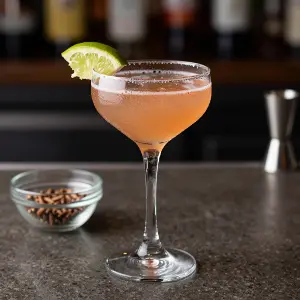
The Campfire Mule is the cool-weather cousin of the classic Moscow Mule, built around bourbon or smoky mezcal instead of vodka, and dressed up with maple syrup, lemon or lime juice, and plenty of spicy ginger beer. What sets it apart from any other mule variation is the finishing touch: a torched or toasted marshmallow perched on top, sometimes speared on a cinnamon stick, that melts slightly into the drink and perfumes every sip with campfire char. It's a cocktail built for flannel weather, equally at home poured into a copper mug on a cabin porch or shaken up for a backyard fire pit gathering, and it captures that specific nostalgia of toasting marshmallows on a stick without requiring an actual campfire.
Every mule variation, campfire included, descends from the original Moscow Mule, one of the most famous accidental marketing campaigns in cocktail history. The story goes that in the early 1940s, John G. Martin, president of the struggling spirits importer G.F. Heublein & Brothers, was trying to sell Americans on Smirnoff vodka, a spirit almost nobody in the United States had heard of. Around the same time, Jack Morgan, owner of the Cock 'n' Bull pub in Hollywood, was sitting on a surplus of his own ginger beer, and a friend, Sophie Berezinski, had a warehouse full of unsold copper mugs. As detailed in a history of the drink published by the Copper Development Association, the three combined forces: vodka, ginger beer, and a distinctive copper mug became the Moscow Mule, and Martin reportedly spent years driving from bar to bar with a Polaroid camera, photographing bartenders holding the drink to prove it was catching on. It worked, and the Moscow Mule became one of the first cocktails to make vodka fashionable in America.
Once bartenders realized the mule format, spirit plus citrus plus ginger beer, could flex to fit almost any base liquor, variations multiplied for decades: the Kentucky Mule swapped in bourbon, the London Mule swapped in gin, and the Bourbon Buck stripped the format down even further. The Campfire Mule is a more recent, distinctly seasonal entry into that family tree, emerging as home bartenders and recipe developers leaned into fall and winter flavors, smoked spirits, maple, and toasted marshmallow, the same way pumpkin spice reshaped autumn coffee. According to a rundown of the trend published by Tasting Table, the drink is best understood as an autumn-inspired mule variation designed to evoke the coziness of sitting by an actual fire, built on bourbon or whiskey with maple syrup, lemon juice, and that now-signature marshmallow garnish.
Expect a layered, sweet-and-spicy profile. The base spirit sets the tone: bourbon brings vanilla, caramel, and oak, while a mezcal-based version leans into smoky, earthy agave notes similar to what you'd find in a Mezcal Negroni or an Oaxacan Old Fashioned. Ginger beer supplies sharp, peppery heat and effervescence, maple syrup adds a round, autumnal sweetness that plain simple syrup can't match, and a squeeze of citrus keeps the whole thing from tipping into dessert territory. Then there's the marshmallow: torched until the sugars caramelize and blister, it drops a thread of toasted, faintly smoky sweetness into the glass as it melts, echoing the char you'd get from an actual campfire treat. The overall effect sits somewhere between a classic ginger buck and a boozy s'more, warming and a little indulgent, but still balanced by the drink's citrus and spice.
Bourbon is the traditional base, giving the drink its caramel-forward backbone and putting it in the same family as a Kentucky Mule, but plenty of bartenders reach for mezcal instead, trading caramel warmth for smoky agave and pairing it with amaretto for a toasted-almond echo of the marshmallow garnish. Rum works too, especially spiced or dark rum, which leans the drink further into cinnamon and molasses territory, not unlike a Spiced Rum Moscow Mule with a s'mores garnish stacked on top. For a fruitier riff that still keeps the ginger-and-copper-mug format intact, a splash of cranberry juice turns the drink into something closer to a Cranberry Moscow Mule, which makes an easy holiday-table variation. If maple syrup or amaretto isn't on hand, a drizzle of cinnamon syrup or a cinnamon-sugar rim gets you most of the way to the same cozy, spiced effect.
Stay true to the mule tradition and serve it in a chilled copper mug, which keeps the drink colder longer and gives off that distinctive metallic aroma mule drinkers love; a tall highball glass works fine as a substitute. Build it over fresh ice, adding the spirit, maple syrup, and citrus first, then topping with ginger beer to preserve its carbonation. The marshmallow garnish is the whole point, so don't skip it: thread one or two marshmallows onto a skewer or cinnamon stick and torch them with a kitchen torch (or hold them over a stovetop flame) until golden and slightly charred before resting them across the rim or dropping them directly into the glass. A dusting of cinnamon or a cinnamon stick stirrer adds a final aromatic touch as the drink is served.
The Campfire Mule's smoky-sweet profile pairs naturally with grilled and smoked foods, think barbecue ribs, smoked sausage, or charred vegetables, as well as classic fall snacking foods like caramel popcorn, spiced nuts, or apple crisp. It's a natural fit for tailgates, bonfire nights, Halloween and Thanksgiving gatherings, or any cool-weather party where a ginger beer-based drink feels more seasonally appropriate than a frozen daiquiri. Because the marshmallow garnish makes it as much a dessert as a drink, it also works well served after dinner in place of a traditional after-dinner cocktail or coffee.
The Campfire Mule succeeds because it takes a format that already has decades of proven appeal, the mule's easy spirit-citrus-ginger backbone, and layers on exactly the kind of nostalgic, sensory detail that makes a cocktail shareable and memorable: fire, smoke, and toasted sugar. It's forgiving enough for home bartenders to riff on with whatever spirit is already in the liquor cabinet, yet distinctive enough, thanks to that marshmallow garnish, to stand out on a crowded fall cocktail menu. As long as ginger beer and copper mugs remain bar staples, and as long as people keep craving the taste of a campfire without the actual campfire, the Campfire Mule looks likely to stick around as a seasonal favorite.