Mix. Drink. Enjoy.
Discover amazing cocktail recipes and elevate your mixology game
Mix. Drink. Enjoy.
Discover amazing cocktail recipes and elevate your mixology game
Posted: July 14, 2026
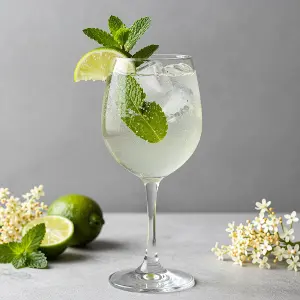
The Hugo is a light, floral, effervescent cocktail built from elderflower liqueur, Prosecco, soda water, fresh mint, and lime — pale, delicate, and low in alcohol, it's become the go-to alternative for anyone who finds the site's Aperol Spritz a bit too bitter. Where Aperol brings orange and bitterness to the classic spritz format, the Hugo swaps in elderflower's honeyed, floral sweetness instead, producing a completely different but equally refreshing warm-weather drink.
The Hugo was invented in 2005 by Roland Gruber, a bartender known locally by the nickname "AK," at a small wine and cocktail bar in Naturns, a town in South Tyrol, the German-speaking, Alpine-adjacent region of northern Italy. Gruber was searching for a refreshing alternative to the Aperol Spritz, already hugely popular across Italy and the rest of Europe at the time, and wanted something lighter and less bitter. His original recipe actually used lemon balm syrup rather than elderflower, garnished with a lemon slice instead of lime. Because lemon balm syrup was far less widely available than elderflower syrup — which was already a supermarket staple across Austria and much of German-speaking Europe — bartenders and home mixers quickly substituted elderflower instead, and that version became the Hugo everyone knows today. From its start in a single small Alpine bar, the drink spread rapidly across northern Italy and then throughout Europe, eventually becoming a genuine rival to the Aperol Spritz on summer drink menus continent-wide, a rise documented in detail by Wikipedia's history of the Hugo.
Elderflower liqueur provides delicate, honeyed floral sweetness with a subtle citrus and herbaceous undertone — lighter and less assertive than most fruit liqueurs, which is part of why the Hugo reads as so refreshing rather than cloying. Prosecco adds crisp acidity and fine bubbles, while soda water lightens the whole mixture further and stretches it into a longer, more sessionable pour. Fresh mint contributes a cool, garden-fresh aroma that's essential to the drink's identity, and a squeeze of lime adds just enough tartness to keep the sweetness in check. The overall effect is fresh, lightly sweet, floral, and herbal all at once — a genuinely different flavor experience from the bittersweet orange profile of a classic Aperol-based spritz.
Fill a large wine glass with ice, then add a handful of fresh mint leaves, lightly muddled or simply dropped in to release their aroma. Pour in 1 oz elderflower liqueur, then top with 3 oz Prosecco and a splash of soda water. Add a squeeze of fresh lime juice and stir gently to combine without losing too much carbonation. Garnish with a lime wheel and an extra mint sprig. Because the ratio favors sparkling wine and soda over any single dominant spirit, the Hugo stays notably lower in alcohol than most spritz-style drinks, making it easy to enjoy more than one over a long afternoon, a build also outlined in St-Germain's own Hugo Spritz recipe.
The Hugo's simple, adaptable structure has produced plenty of small variations since its 2005 invention. A rosé Prosecco swap produces a pinker, slightly fruitier version sometimes called a Hugo Rosé Spritz. Swapping lime for lemon softens the citrus into something closer to Gruber's original lemon balm-and-lemon recipe. Adding fresh cucumber slices or a handful of berries introduces extra brightness and color, not unlike the fruit-forward approach used in the site's Cherry Limeade Spritz. For drinkers who want the same elderflower character in a different citrus-forward format, the site's own Blueberry Lemon Fizz also leans on elderflower liqueur, paired there with blueberry and lemon rather than Prosecco and mint.
A large wine glass, sometimes called a balloon glass, is the traditional serve, giving the drink plenty of room for ice, mint, and a generous pour of Prosecco. A lime wheel and mint sprig are the standard garnishes. It's an unmistakably warm-weather aperitivo, equally suited to a relaxed Alpine terrace or a summer garden party, occupying similar territory to the site's other spritz-style drinks like the Limoncello Spritz and Sparkling Wine Spritzer.
The Hugo's rapid spread from a single South Tyrolean bar to menus across Europe reflects genuine demand for a lighter, less bitter alternative within the already-massive spritz category. Its floral, low-proof profile appeals to drinkers who find Campari and Aperol too intense, while still delivering the same effortless, bubbly, warm-weather refreshment that made the Aperol Spritz a global phenomenon in the first place. Two decades after Roland Gruber first mixed lemon balm syrup with Prosecco in Naturns, the Hugo remains proof that even the most dominant cocktail trend leaves room for a gentler alternative, standing alongside the Bourbon Spritz and fall-friendly Apple Cider Spritz as one of the format's most successful modern spin-offs — proof that the humble spritz format still has plenty of room left to reinvent itself.