Mix. Drink. Enjoy.
Discover amazing cocktail recipes and elevate your mixology game
Mix. Drink. Enjoy.
Discover amazing cocktail recipes and elevate your mixology game
Posted: October 3, 2023
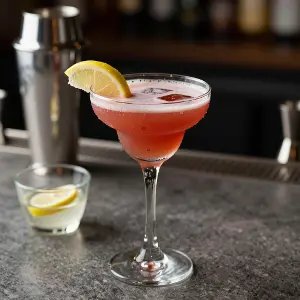
The Earl Grey Tea Cocktail sits at the crossroads of two beloved rituals: the afternoon tea service and the craft cocktail bar. At its simplest, it's a spirit-forward drink built around Earl Grey tea, either brewed and chilled as a mixer or used to infuse the base spirit itself, usually gin or vodka. The tea's signature bergamot oil brings a citrusy, floral perfume that plays beautifully against botanicals like juniper, making the drink a natural cousin to a classic Gin and Tonic, but with a more perfumed, tannic backbone. It's typically balanced with fresh lemon juice and a touch of honey or simple syrup, then shaken or built long, depending on the variation. The result is a cocktail that feels equal parts genteel and adventurous, a drink that could be served at a bridal shower or a late-night speakeasy with equal confidence.
To understand the cocktail, it helps to understand the tea. Earl Grey is named after Charles Grey, the second Earl Grey and British Prime Minister from 1830 to 1834, though the actual link between the statesman and the blend that bears his name is murky at best. The most repeated legend claims that one of Lord Grey's men saved a Chinese mandarin's son from drowning, and the grateful family repaid the favor with a gift of bergamot-scented tea. It's a charming story, but historians have largely debunked it: Grey never traveled to China, and bergamot was not a traditional flavoring in Chinese tea culture. The more credible account, detailed in a history of Earl Grey published by Art of Tea, points to enterprising London tea merchants such as Twinings and Jacksons of Piccadilly, who likely blended bergamot oil into black tea to mask the taste of lower-grade leaves, only to discover they had created something people genuinely loved.
Tea didn't become a serious cocktail ingredient until the early 2000s, when a wave of bartenders began treating it the way chefs treat spices, as a flavoring agent rather than a beverage in its own right. Audrey Saunders, the pioneering bartender behind New York's Pegu Club, is widely credited with popularizing Earl Grey in cocktails through her Earl Grey MarTEAni, which infuses gin directly with tea leaves and finishes with egg white for a silky, frothy texture. Around the same time, in 2002, London bartender Henry Besant created the Earl Grey Fizz at Lonsdale House, a drink that layers cold-brewed Earl Grey and vodka beneath a topper of champagne, according to the recipe archived on Difford's Guide. These two drinks, born an ocean apart within months of each other, effectively launched Earl Grey as a serious cocktail ingredient and set the template that most modern versions still follow.
The defining note is bergamot: bright, citrusy, and slightly floral, with a perfume that sits somewhere between orange peel and lavender. Because Earl Grey is built on a black tea base, it also carries a light tannic bitterness and a faint maltiness that gives the cocktail structure and keeps it from tasting like candy. When shaken with lemon juice, the drink takes on a sour-forward profile similar to a Whisky Sour, but with citrus notes that read more floral than sharp. When gin is the base, the tea's bergamot amplifies the gin's own citrus-forward botanicals, producing something reminiscent of an aromatic Gin Fizz with an extra layer of complexity. A touch of honey syrup rounds out the tannins and adds warmth, while a dry sparkling topper, whether champagne or soda water, lifts the whole drink and keeps it from feeling heavy. It's a cocktail that rewards good ingredients: a proper loose-leaf Earl Grey and fresh lemon juice make a dramatic difference over tea bags and bottled juice.
The Earl Grey MarTEAni remains the benchmark version, built on gin that's been infused with loose Earl Grey leaves for twenty to thirty minutes, then shaken with lemon juice, honey syrup, and egg white for a martini-glass presentation with a frothy cap. It shares more in common with a classic Vodka Martini in silhouette than in flavor, trading that drink's austere dryness for something floral and slightly sweet. The Earl Grey Fizz, Besant's original, swaps gin for vodka and tops the shaken base with champagne, landing somewhere between a French 75 and a mimosa; fans of a proper French 75 will recognize the same bright, celebratory register. For a lower-proof, session-friendly option, an Earl Grey Highball simply combines tea-infused gin or whiskey with soda water over ice, following the same easy-drinking logic as a classic Highball. And for those who want the tea flavor without any infusion step at all, a quick swap of cold-brewed Earl Grey for the tea component in a Lemon Drop Martini or a Peach Tea cocktail is an easy way to bring bergamot into drinks that are already built around tea and citrus.
Presentation depends on which version you're making. The shaken, martini-style renditions belong in a chilled coupe or martini glass, garnished with a twist of lemon peel expressed over the surface to release its citrus oils, or, for the more indulgent egg-white versions, a light dusting of finely ground tea leaves across the foam. The champagne-topped fizz variations call for a flute, which preserves carbonation and shows off the drink's pale amber color. Highball versions are built directly in a tall glass over fresh ice, garnished simply with a lemon wheel or a sprig of mint. Across all versions, temperature control matters more than usual: because tea can turn bitter and astringent if oversteeped or served too warm, chilling the tea thoroughly before mixing, and working quickly with plenty of ice, keeps the bergamot notes bright instead of harsh.
Earl Grey's citrus-and-tannin profile makes it a natural match for light, buttery foods: scones with clotted cream, shortbread, smoked salmon canapés, or a simple lemon tart. It's an obvious fit for daytime entertaining, brunches, bridal or baby showers, and afternoon tea parties reimagined with a bit of spirit, but the champagne-forward variations also work as an elegant welcome drink for evening celebrations. Because the tea itself is caffeinated, most bartenders treat it as an occasional specialty pour rather than a session cocktail, best served earlier in an event rather than as a nightcap.
More than two decades after Audrey Saunders and Henry Besant independently put tea behind the bar, the Earl Grey cocktail has never really gone out of style. Part of its staying power is versatility: the same base idea scales from a five-minute highball to an elaborate infused-and-shaken showpiece, and it flatters gin, vodka, whiskey, and sparkling wine with equal ease. Part of it is simply that bergamot is a genuinely great cocktail flavor, floral and citrusy in a way that few other ingredients replicate. For home bartenders looking to move beyond standard citrus and syrup combinations, infusing a favorite spirit with loose Earl Grey leaves is one of the easiest ways to add real complexity to a drink without buying a single specialty ingredient, which is exactly why the Earl Grey Tea Cocktail keeps earning a permanent spot on menus and home bar carts alike.