Mix. Drink. Enjoy.
Discover amazing cocktail recipes and elevate your mixology game
Mix. Drink. Enjoy.
Discover amazing cocktail recipes and elevate your mixology game
Posted: November 8, 2023
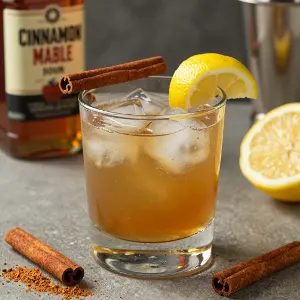
The Cinnamon Maple Whisky Sour takes the classic Whisky Sour and pushes it fully into cold-weather territory: whisky, fresh lemon juice, and maple syrup shaken together with a pinch of ground cinnamon, or a cinnamon-infused syrup, for a drink that tastes like a spiced cider transformed into a proper cocktail. It sits closer to the holidays than to early fall, leaning on cinnamon's warm, slightly sweet heat rather than just orchard fruit, which makes it a natural fit for December gatherings, ugly-sweater parties, and anywhere a Christmas cocktail menu calls for something spirit-forward but still approachable.
Like most modern sour variations, this one doesn't trace back to a single named bartender or a specific year, it's a home-kitchen and craft-cocktail evolution of the Whisky Sour, one of the oldest documented cocktail formats, first written down in Jerry Thomas's 1862 bartender's guide as whiskey, lemon juice, sugar, and shaved ice. What's changed over the past decade or two is a broader shift toward natural, flavor-forward sweeteners: bartenders and home cooks alike started reaching for maple syrup instead of simple syrup specifically because it does double duty, sweetening the drink while adding its own caramelized depth, and cinnamon followed naturally once maple was already in the mix, since the two flavors already pair constantly in baking. Recipe developers picked up the combination as a specifically autumn-into-winter riff, distinct from lighter, citrus-forward summer sours.
Because the recipe simply calls for "whisky" rather than a specific style, the choice of spirit meaningfully changes the drink. Bourbon, which must be at least 51 percent corn, brings a smoother, sweeter profile with pronounced vanilla and caramel notes that echo the maple syrup, according to a flavor comparison from Chowhound. Rye whiskey, by contrast, is spicier and drier, with black pepper and baking-spice notes that actually amplify the cinnamon rather than compete with it, producing a sharper, less sweet version of the same drink. Neither is more correct, bourbon makes a rounder, more dessert-like sour, while rye makes a spicier, more bracing one, and the best choice often comes down to how sweet a drink you want at the end.
Expect bright citrus up front, fresh lemon juice supplying the tartness that defines any proper sour, followed by maple syrup's rounder, toastier sweetness and a distinct wave of warm cinnamon spice on the back end. A recipe from Cookie and Kate notes that maple syrup alone is "so much more interesting than basic simple syrup," and cinnamon pushes that even further, adding a baking-spice warmth that makes the drink taste noticeably cozier than a standard Whisky Sour without turning it sweet or dessert-like. The whisky itself supplies the backbone, oak, vanilla, and either bourbon's roundness or rye's peppery snap, while a well-shaken version develops a light, frothy top that keeps every sip lively rather than heavy.
Some versions build a proper cinnamon simple syrup in advance, steeping cinnamon sticks in warm maple syrup and water, which distributes the spice more evenly than a pinch of ground cinnamon shaken directly into the glass. Others push further into holiday spice territory with a full Maple Gingerbread Hot Toddy, adding ground ginger alongside the cinnamon and serving the drink warm rather than shaken over ice. For a richer, dessert-style riff, a Cinnamon Toast Punch adds heavy cream and biscotti liqueur to the same bourbon-and-cinnamon base for something closer to a boozy dessert than a sour. And for drinkers who prefer their whisky and cinnamon paired with real apple flavor instead of just citrus, a Cider and Bourbon Cocktail swaps in apple cider for a fuller, orchard-forward alternative.
Shake the whisky, lemon juice, maple syrup, and cinnamon hard with ice, long enough to fully dissolve the maple syrup and properly chill the drink, then strain into a rocks glass over a single large ice cube. A cinnamon-sugar rim, made by wetting the glass edge with lemon juice or maple syrup and dipping it into a mix of sugar and ground cinnamon, adds a nice textural contrast with the first sip. Garnish with a lemon wheel, a cinnamon stick, or both, and for a more dramatic presentation, a light dusting of ground cinnamon whisked across the surface right before serving adds aroma as much as flavor.
This is a drink built for cold-weather entertaining: holiday parties, Friendsgiving, or a quiet night in once the fireplace is going. Its warm spice profile pairs well with roasted nuts, gingerbread cookies, apple pie, or a cheese board built around aged cheddar and dried fruit. It's an easy addition to any winter cocktail menu alongside a spiced Gingerbread Old Fashioned or a mug of Hot Toddy, giving guests a shaken, citrus-forward option next to warmer, stirred alternatives.
The Cinnamon Maple Whisky Sour endures because it takes a formula that's already survived over 150 years and adjusts exactly two variables, sweetener and spice, to completely change its seasonal identity. It requires no special technique beyond a normal shake-and-strain, it's forgiving of whichever whisky is already on hand, and it delivers a genuinely comforting, cold-weather flavor without abandoning the citrus balance that makes a sour a sour in the first place. That combination of simplicity and specificity is exactly why it keeps showing up on winter cocktail menus every year.