Mix. Drink. Enjoy.
Discover amazing cocktail recipes and elevate your mixology game
Mix. Drink. Enjoy.
Discover amazing cocktail recipes and elevate your mixology game
Posted: August 26, 2023
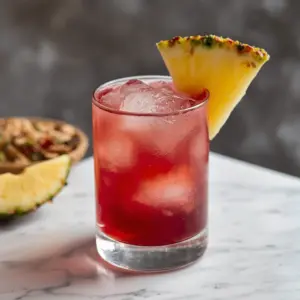
The Bay Breeze is a simple, three-ingredient highball built from vodka, cranberry juice, and pineapple juice — pink, fruity, and dangerously easy to drink. It belongs to the same "Breeze" family as the Sea Breeze and the Cape Codder, all of which share a cranberry-and-vodka backbone but each swap in a different second juice to change the personality of the drink. Where the Sea Breeze leans tart with grapefruit, the Bay Breeze goes sweeter and more tropical with pineapple.
The Bay Breeze's history is really the history of cranberry marketing. In the late 1940s, Ocean Spray and the Cranberry Growers Association were sitting on a surplus of cranberry juice and needed a way to move more of it, so they began promoting cranberry-based cocktails as a strategy to boost sales. That effort eventually produced the Cape Codder (vodka and cranberry juice), which by the 1960s had evolved into the Sea Breeze with the addition of grapefruit juice. The Sea Breeze became a fixture of American bars through the 1980s.
The Bay Breeze followed directly from that lineage in the 1980s, when bartenders and, by some accounts, Ocean Spray itself began swapping the Sea Breeze's grapefruit juice for pineapple juice, producing a sweeter, more tropical-leaning cocktail under a new name. The distinction between the two drinks stuck: order a Sea Breeze today and you'll get grapefruit's tartness; order a Bay Breeze and you'll get pineapple's sweetness, both built on the same cranberry-vodka foundation.
A Bay Breeze is light, sweet, and fruit-forward rather than boozy. Cranberry juice supplies a tart, slightly astringent backbone that keeps the drink from tipping into pure sweetness, while pineapple juice adds bright tropical sugar and a touch of acidity. Vodka's neutral character means it barely registers on the palate beyond a light warming sensation, which is exactly the point — the Bay Breeze is built to be refreshing and sessionable rather than spirit-forward. It's noticeably sweeter and rounder than its grapefruit-based cousin the Sea Breeze, and less citrus-tart than a Cosmopolitan, which adds lime juice and orange liqueur to a similar cranberry-vodka base.
The most well-known riff is the Malibu Bay Breeze, which swaps the vodka for Malibu coconut rum, adding a smooth, tropical coconut sweetness that plays especially well against the cranberry's tartness and lowers the drink's overall booziness. A Hawaiian Breeze goes further in the same direction, using coconut rum alongside both pineapple and cranberry juice for an even creamier, more indulgent island flavor reminiscent of a Pina Colada or a Blue Lagoon. For something with more backbone, a Chesapeake Bay Breeze replaces the vodka with bourbon, trading neutral spirit for a smoky, caramel-tinged depth that stands up better to the sweet fruit juices. Drinkers who prefer their cranberry cocktails fizzier sometimes reach for a Cranberry Moscow Mule instead, which trades pineapple for ginger beer and lime.
Building a Bay Breeze couldn't be simpler: fill a highball glass with ice, add vodka, then top with equal parts cranberry and pineapple juice and give it a quick stir. No shaking, no straining, no special equipment required. Garnish with a lime wedge or a skewered pineapple wedge and maraschino cherry for a little visual flair. Because it's low-effort and scales easily, it's a natural pick for batching in a pitcher at summer cookouts, much like the fresh-juice highballs covered in MixDrinkEnjoy's guides to the Vodka Cranberry and Cranberry Mimosa.
The Bay Breeze has stuck around for decades because it asks almost nothing of the drinker or the bartender: three ingredients, no technique, and a flavor profile that's approachable even for people who don't usually order cocktails. It's an easy on-ramp for vodka drinkers who find a straight Vodka Tonic too austere, and its sweet, tropical profile makes it a natural fit for beach vacations, poolside afternoons, and casual happy hours. Outlets like Tasting Table and Difford's Guide have both documented how it split off from the Sea Breeze, and that same simplicity is exactly why it's still on drink menus today.