Mix. Drink. Enjoy.
Discover amazing cocktail recipes and elevate your mixology game
Mix. Drink. Enjoy.
Discover amazing cocktail recipes and elevate your mixology game
Posted: March 4, 2024
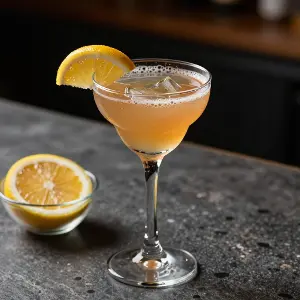
The Pickleback is one of the simplest, strangest, and most enduring bar trends of the last two decades: a shot of whiskey, knocked back and immediately chased with a shot of cold pickle brine. It sounds like a dare more than a drink, but the combination works because the two liquids are doing opposite jobs. The whiskey delivers heat, oak, and sweetness; the brine — sharp, salty, and acidic — arrives a half-second later and cuts that heat off cleanly, resetting the palate almost instantly. It's less a cocktail in the traditional sense than a two-part ritual, closer in spirit to a Irish Slammer or a layered bar shot than a stirred or shaken drink, and it belongs squarely in that same fast, communal, dive-bar tradition.
The Pickleback has an unusually well-documented origin story for a bar drink, and it traces back to a single night in March 2006 at the Bushwick Country Club, a dive bar in Brooklyn, New York. According to PUNCH's account of the drink's origin, bartender Reggie Cunningham was on shift snacking on pickles from a jar — pickles belonging to Bob McClure, whose fledgling pickle company was, at the time, literally storing its inventory in the bar's basement. A regular customer noticed, and asked Cunningham to pour her a shot of Jameson with a shot of the pickle brine on the side. He tried the pairing himself, found it worked, and by the end of the night was pouring rounds of it for the whole bar. When someone floated the name "Pickle Puffer," Cunningham reportedly shut it down on the spot: "No, it's pickleback." The name stuck, the drink spread from that one Brooklyn bar to the rest of New York within a year or two, and it has since become a fixture on bar menus worldwide — a rare case of a drink whose inventor, bar, and exact month of creation are all a matter of public record rather than bartending legend.
Part of what helped the Pickleback travel so fast is that it required nothing a bar didn't already have. Most bars already stocked Jameson, and pickle jars were sitting in walk-in coolers everywhere, brine and all — normally poured down the drain once the pickles were gone. The Pickleback turned that discarded brine into a second pour, essentially free product that also happened to taste great next to whiskey. That combination of low cost, high novelty, and genuine flavor payoff is a big part of why it outlasted most 2000s bar fads; you can read more about that staying power in Wikipedia's entry on the Pickleback, which traces its spread from Brooklyn dive bars into mainstream cocktail culture.
The classic Pickleback is built on Jameson Irish whiskey specifically, which is smooth, light, and slightly sweet compared to a cask-strength bourbon or a spicy rye — qualities that make the whiskey shot easy to drink fast without much burn. The brine that follows is salty, vinegary, and cold, with the garlicky, dilly flavor of a good kosher dill pickle. Together the two shots create a kind of flavor reset button: the whiskey's sweetness and alcohol heat hit first, and the brine's acidity and salt wash it away almost immediately, leaving the palate clean rather than coated. It's an intentionally jarring contrast rather than a blended, harmonious one — closer in spirit to eating a lime wedge after a tequila shot than to sipping a balanced cocktail like a Old Fashioned.
The Pickleback couldn't be simpler to build, which is a large part of its bar appeal. Pour a standard 1.5 oz shot of whiskey — Jameson is the traditional choice — into one shot glass, and pour an equal 1.5 oz measure of cold dill pickle brine straight from the jar into a second glass. Drink the whiskey first, in one go, then immediately follow with the pickle brine chaser. Chilling the brine beforehand (or keeping the pickle jar in the fridge, as most bars already do) makes a noticeable difference, since cold brine hits sharper and cleaner than room-temperature juice. No shaking, straining, or garnishing is required — the entire technique is picking the right whiskey and pouring the two shots in the right order.
While Jameson remains the classic pairing, bartenders have spent the better part of twenty years experimenting with the formula. A rye whiskey Pickleback trades Jameson's soft sweetness for rye's peppery spice, which stands up well against the brine's acidity for drinkers who want more bite. A bourbon version goes the other direction, leaning into caramel and vanilla notes that play surprisingly well against dill and garlic. Some bars swap in a spicier brine — jalapeño or habanero dill pickles are common — for a Pickleback with real heat, while others add a splash of maple syrup to the whiskey side for a sweet-and-salty riff. Tequila and mezcal picklebacks have also become common on modern menus, using the brine in roughly the same role a lime wedge and salt play in a traditional tequila shot.
The Pickleback is built for speed and shared moments rather than slow sipping — it's a round-of-shots drink, ordered in pairs or groups at a bar rather than nursed alone. It's most commonly found in casual, unpretentious settings: dive bars, whiskey bars, and the kind of neighborhood spot where a jar of pickles behind the bar isn't unusual. No special glassware is needed beyond two shot glasses, and no garnish is expected, since the "garnish" is really the second shot itself. It pairs naturally with the same crowd that gravitates toward other quick, high-proof bar shots like the Jager Bomb or the layered Irish Frog Shooter, though its flavor profile — savory and briny rather than sweet — sets it apart from most of that category.
Bar trends come and go quickly, but the Pickleback has now outlasted most of the novelty shots that were popular alongside it in the mid-2000s, including sweeter options like the Slippery Nipple. Part of its staying power comes from genuine usefulness: pickle brine really does cut whiskey burn, which makes cheaper, harsher whiskeys more approachable and turns even a smooth pour like Jameson into a faster, punchier drinking experience. It also benefits from a good story — few bar drinks can point to an exact bartender, bar, and month of invention — which has helped it get repeated in food and drink media for almost twenty years running. For anyone who's only encountered whiskey in slow-sipped cocktails like a bourbon classic, the Pickleback is a fast, funny, and surprisingly effective introduction to a completely different way of drinking it.