Mix. Drink. Enjoy.
Discover amazing cocktail recipes and elevate your mixology game
Mix. Drink. Enjoy.
Discover amazing cocktail recipes and elevate your mixology game
Posted: August 1, 2026
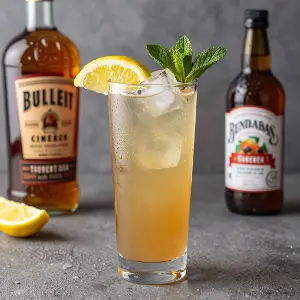
The Horsefeather is a simple, refreshing highball that takes the core character of bourbon — its vanilla, caramel, and gentle spice — and amplifies it with the fiery kick of ginger beer and a squeeze of bright lemon juice. It sits in the same family as the Kentucky Mule but leans slightly more spirit-forward, and its name (drawn from an old-fashioned American exclamation meaning "nonsense") gives it a laid-back, irreverent character that matches the drink perfectly. No fancy technique, no rare ingredients: just bourbon, ginger beer, a splash of lemon juice, and a couple of dashes of Angostura bitters.
The Horsefeather is a modern American bar classic, thought to have originated in the Midwest in the early 2000s — most accounts trace it to Kansas City, Missouri, where it became a staple at local bars before spreading nationally. Unlike many cocktails with disputed or glamorous origin stories, the Horsefeather arrived quietly and caught on through pure drinkability. Its rise mirrors the broader ginger beer and mule boom of the 2000s, when bartenders and drinkers alike discovered that the sharp heat of ginger pairs beautifully with the sweetness of American whiskey. The addition of Angostura bitters — a defining detail that sets the Horsefeather apart from a basic bourbon and ginger — gives it a depth and aromatic quality that elevates it well above a simple two-ingredient highball. For a broader look at bourbon's cocktail versatility, see MixDrinkEnjoy's bourbon cocktail guide.
The Horsefeather is refreshing, slightly spicy, and pleasantly warming — a drink that works equally well in hot and cold weather. The ginger beer dominates the nose and initial palate, its sharp carbonation cutting through immediately. As you drink, the bourbon's natural sweetness asserts itself — vanilla and caramel softening the ginger's heat — while the lemon juice keeps everything bright and the bitters add a faintly aromatic, herbal edge. The finish is ginger-forward with a lingering bourbon warmth that makes you want another sip. It is a crowd-pleaser in the best sense: approachable enough for guests who are skeptical about bourbon, complex enough to interest serious cocktail drinkers.
The quality of your ginger beer matters enormously in the Horsefeather. Avoid ginger ale (too mild and sweet) and reach for a genuinely spicy ginger beer — Fever-Tree, Bundaberg, or Fentimans all work well. The spicier the ginger beer, the more dynamic the drink. For the bourbon, a mid-range bottle with noticeable spice and proof works best — something like Bulleit, Knob Creek, or Wild Turkey. A higher-rye-content bourbon will push the spice angle further; a sweeter, more vanilla-forward bourbon will give you a softer, more harmonious drink. Read more on ginger beer's history and uses on MixDrinkEnjoy's ginger beer article, and explore the best whiskey cocktails for more pairing ideas.
The Horsefeather and the Kentucky Mule are often mentioned together, and the difference is subtle but meaningful. Both combine bourbon and ginger beer over ice; the Kentucky Mule adds lime juice and is traditionally served in a copper mug. The Horsefeather uses lemon juice instead of lime, adds Angostura bitters, and makes no claims on a particular vessel — it is a more casual, Midwestern drink with a slightly more complex flavor profile. The bitters in particular make a noticeable difference, adding aromatics that the Kentucky Mule lacks. If you enjoy the Old Fashioned or the Maple Bourbon Sour, the Horsefeather gives you something in a similar spirit but longer, lighter, and more thirst-quenching.
The Horsefeather is remarkably easy to riff on. Swapping the Angostura for Peychaud's bitters shifts it toward a more floral, anise-tinged character. Adding a small splash of apple cider in the autumn creates a seasonal variation that leans into bourbon's affinity with warm-spiced fruit flavors — a natural pairing with the Cider and Bourbon Cocktail spirit. A honey syrup float instead of simple syrup produces a sweeter, more rounded version. Some bartenders skip the lemon entirely for a purer bourbon-ginger experience, but the citrus is what gives the Horsefeather its brightness and sets it apart from a plain bourbon and ginger.
Build the Horsefeather directly in a highball glass or a rocks glass over fresh ice. Add the bourbon, lemon juice, and Angostura bitters first, give a brief stir to combine, then top with ginger beer and stir gently to preserve the carbonation. A lemon wheel or wedge is the traditional garnish; a sprig of fresh mint adds aroma if you have it on hand. According to Liquor.com's Horsefeather guide, the drink benefits from plenty of ice, which slows the dilution and keeps the carbonation lively longer.
The Horsefeather's combination of bourbon warmth, ginger heat, and citrus brightness makes it a natural match for BBQ and grilled foods — brisket, pulled pork, spiced chicken wings — where the ginger cuts through fat and the bourbon mirrors the smokiness. It also works well with spiced foods like Thai or Indian takeaway, where the ginger is a natural complement. As an occasion drink, the Horsefeather is the ideal casual gather cocktail: easy to batch, easy to serve, and virtually universally liked. Mix a large batch of bourbon, lemon juice, and bitters ahead of time and top each glass with cold ginger beer tableside. For other easy-to-scale bourbon drinks, explore the Peach Bourbon Tea and the Bourbon and Black Tea Punch — both excellent batch drinks that share the Horsefeather's easy-going character. The full bourbon collection is available on MixDrinkEnjoy's bourbon whiskey page. For the science of why carbonation matters, Serious Eats has an excellent deep-dive on how carbonation affects drink flavor.